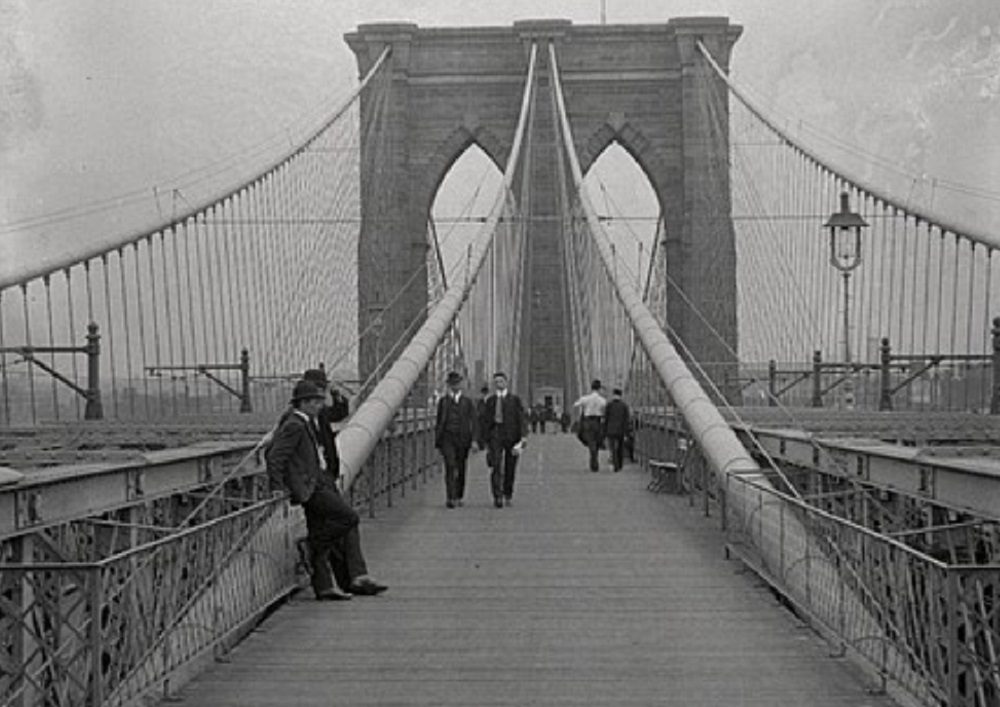

Growing up watching local politics and law in action, it was no surprise that young Henry Cruse Murphy graduated from Columbia College and pursued a career in law. His success led to a comfortable lifestyle and fueled his interest in civic politics and social programs. He was an early advocate for the village’s public school and later became a Justice of the Peace. Read more about the life of Henry Cruse Murphy, one of Brooklyn’s most popular mayors, at brooklyn-yes.com.
Forging a Career in Law and Politics
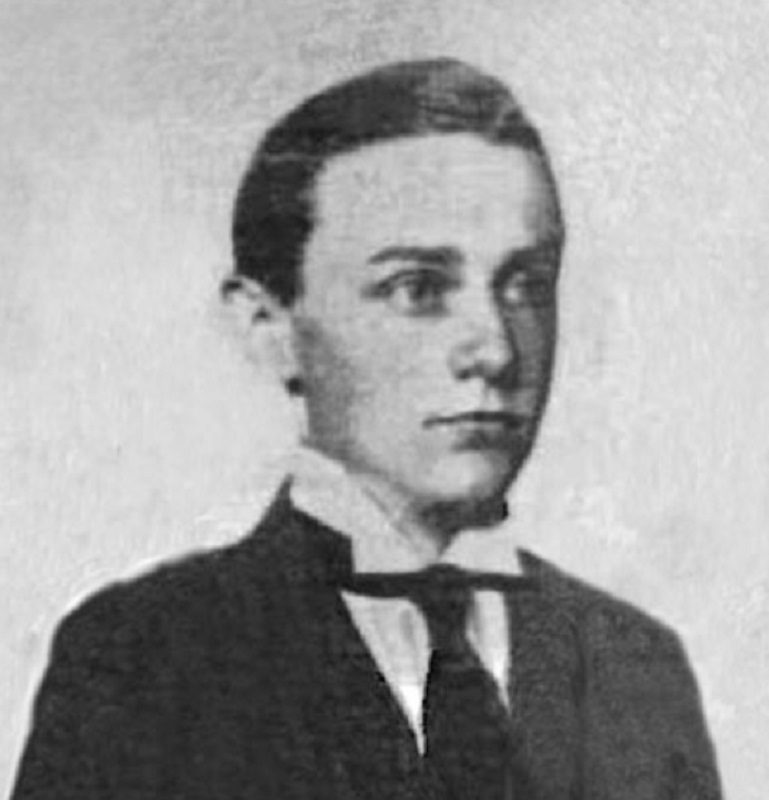
Henry Cruse Murphy was born in Brooklyn in 1810. His father, John Garrison Murphy, was a wheelwright who, along with his wife Clarissa, moved to the small town of Brooklyn in 1808. He soon established a successful business and profited from improvements he designed for the mechanics of harness bolts used by horse teams that transported small barges of goods across the East River from Manhattan.
In 1830, Henry Murphy graduated with honors from Columbia University and began his legal career, studying under the respected Peter W. Radcliffe, a prominent Manhattan lawyer who lived in Brooklyn. During this time, he also wrote editorials and articles for the Brooklyn newspapers “The Brooklyn Advocate” and “Nassau Gazette.” After completing his legal studies, he started his own law practice. Sometime later, Henry married Amelia Greenwood, and shortly after launching his practice, his political career began to take off.
By 1834, he was a member of the village of Brooklyn’s corporation counsel and the city attorney for the Democratic Party. Later, alongside some of Brooklyn’s most experienced lawyers, he established the law and investment firm “Lott, Murphy & Vanderbilt,” which became one of the most powerful firms in Brooklyn at the time. He was only in his late 20s. By the time he turned 30, Murphy was a trustee for the new Brooklyn City Library and a founder of the Long Island Historical Society. In 1841, he and several other like-minded Democrats founded a new city newspaper called “The Brooklyn Daily Eagle and Kings County Democrat.” This paper would become the daily chronicler of all things Brooklyn for over a century, and Murphy served as one of its first editors.
His Term as Mayor
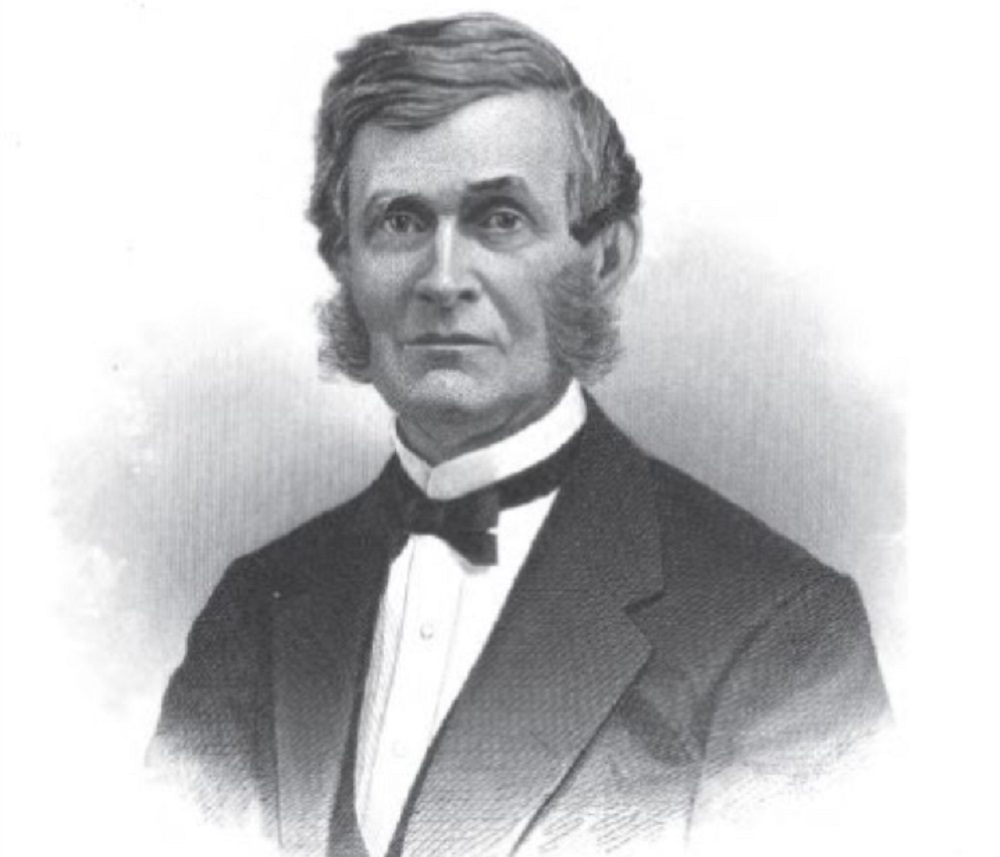
In 1842, at the age of 32, Henry C. Murphy became the mayor of Brooklyn. His accomplishments included the expansion and paving of Myrtle Avenue, the organization of a massive warehouse system along the harbor, and comprehensive efforts to improve the lives of the city’s poor.
He was so popular that before his mayoral term even ended, Murphy was elected to Congress in 1843, becoming one of the youngest members of the session. He served only one term but managed to secure a naval dry dock for Wallabout Bay, paving the way for the Navy Yard’s prominence during and after the Civil War. However, his record had its controversial moments. Unfortunately for his legacy, he voted against the national abolition of slavery. Henry C. Murphy believed it was a matter for individual states and, in his view, could not be legislated at the federal level.
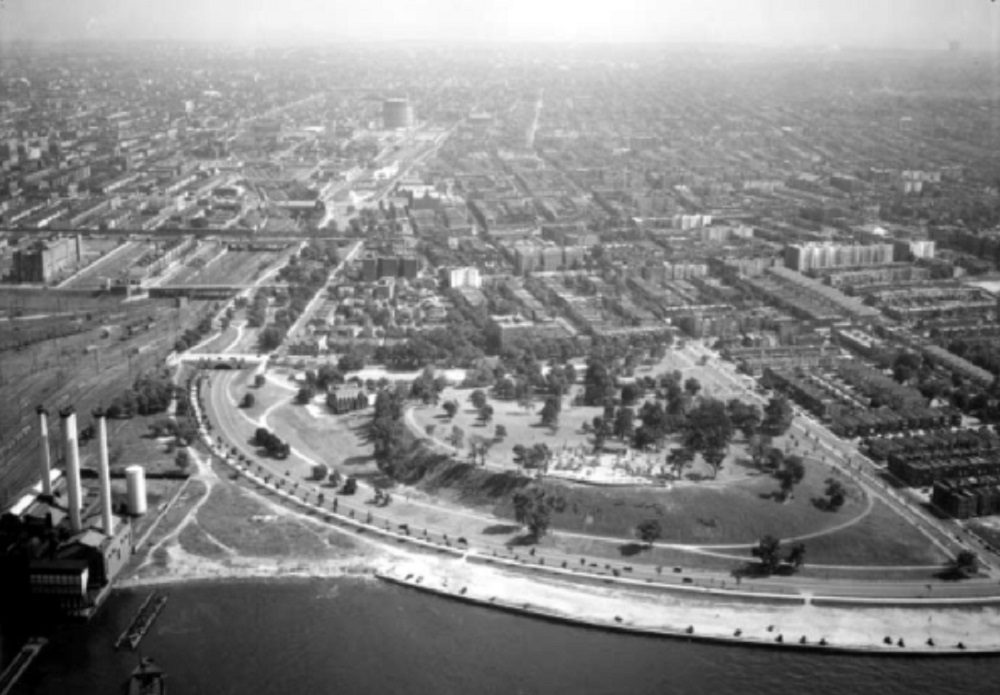
After leaving office, Murphy remained active in politics. Following a successful tenure as the Kings County representative at the State Constitutional Convention in Albany, he was re-elected to Congress in 1846. His term ended in 1849, and he returned to Brooklyn. As a private citizen with significant influence, he successfully lobbied the city to purchase the land for Fort Greene Park, then known as Washington Park, and had a hand in many other civic projects.
According to his biographer, Henry Reed Stiles, Murphy was considered a potential candidate for President of the United States by his party at the 1852 Democratic National Convention.
An Appointment in The Hague
Although Franklin Pierce won the nomination in 1852, the winner of the next election, James Buchanan, became the 15th President. In 1857, Buchanan appointed Murphy as the American ambassador to The Hague in the Netherlands. While it may not have been the most prestigious foreign post, Murphy embraced the role and spent the next several years fostering goodwill with foreign powers.
Always a scholar and a student of Brooklyn’s history, his post in the Netherlands gave him the opportunity to study the local population, their history and culture, and the Dutch founders of Brooklyn. He learned to read and write in Dutch and translated many early documents of New York’s Dutch history into English. He also continued to write a regular column for the “Brooklyn Eagle,” describing the local culture and his travels throughout the Netherlands.
In 1861, Republican Abraham Lincoln was elected president, and Ambassador Murphy’s term came to an end. He returned to Brooklyn as a dedicated supporter of the Union cause. As rumors of secession and war had spread even before Lincoln’s election, Murphy had served as one of the state’s most effective communicators with the rest of Europe, keeping well-informed of the unfolding events.
Upon his return, he helped finance one of Brooklyn’s regiments, addressed some disorderly financial dealings that had occurred at his firm “Lott, Murphy & Vanderbilt,” and soon found himself back in the State Senate.
His focus was always on Brooklyn, which had changed radically while he was away. The roads were in disarray, having not been paved for years, the public lighting system was underfunded, and the sewer system was inadequate and failing.
The Brooklyn Bridge Project
For the next twelve years, he fought tirelessly for funding and public works. After the Civil War, Murphy was one of the private investors behind the ambitious idea of a bridge across the East River connecting Manhattan and Brooklyn. He was the president of this private enterprise, and when it became a public project, he became a trustee and later the president of the Brooklyn Bridge committee.
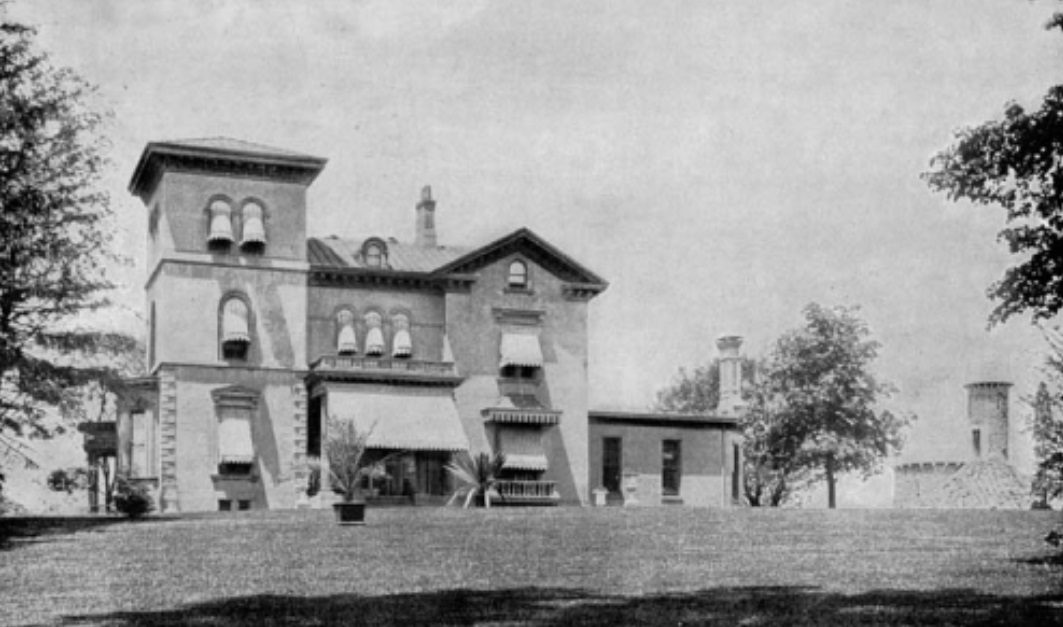
By this time, Henry Murphy had acquired his estate in Bay Ridge, building a large villa on what was perhaps the most exclusive property in the area. It was a sprawling estate with views of the Narrows, serving as his summer home away from the city. It was in his Bay Ridge home that the bill authorizing the construction of the Brooklyn Bridge was drafted and signed in 1866 before being sent to the State Senate.
As a founder of the Long Island Historical Society (now the Brooklyn Historical Society), he was a dedicated member of its board. As a scholar, he was deeply active and interested in all the organization’s activities. He genuinely loved the city of Brooklyn.
In November 1882, Henry Murphy fell ill. His doctors initially suspected pneumonia but soon determined he had a ruptured heart valve. The prognosis was grim; he had only days to live. After suffering from severe pain and difficulty breathing, Henry Cruse Murphy passed away at his Remsen Street home on December 1, 1882. He was seventy-two years old. His funeral was attended by dignitaries from Brooklyn, Albany, and Washington. In recognition of his many years of service to his beloved Bay Ridge, the street leading from his mansion was named “Senator Street” in his honor. He did not live to see the opening of the Brooklyn Bridge, which took place one year later.