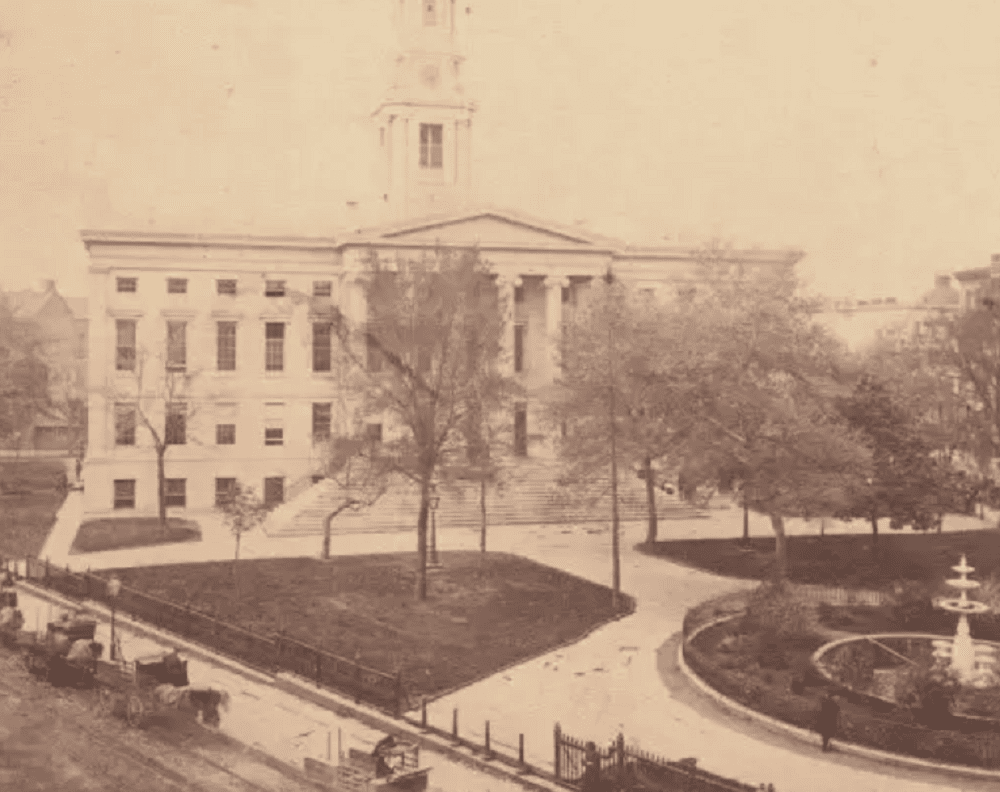

Jeremiah Johnson was a Brooklyn farmer, politician, and writer. He also held the military rank of general, serving in the War of 1812. His long career in public service included roles as a trustee for the Town of Brooklyn from 1796 to 1816 and a town supervisor from 1800 to 1840. Ultimately, Jeremiah Johnson served as the mayor of Brooklyn from 1837 to 1839. Read more about the life of Brooklyn’s third mayor at brooklyn-yes.com.
The General’s Dutch Roots
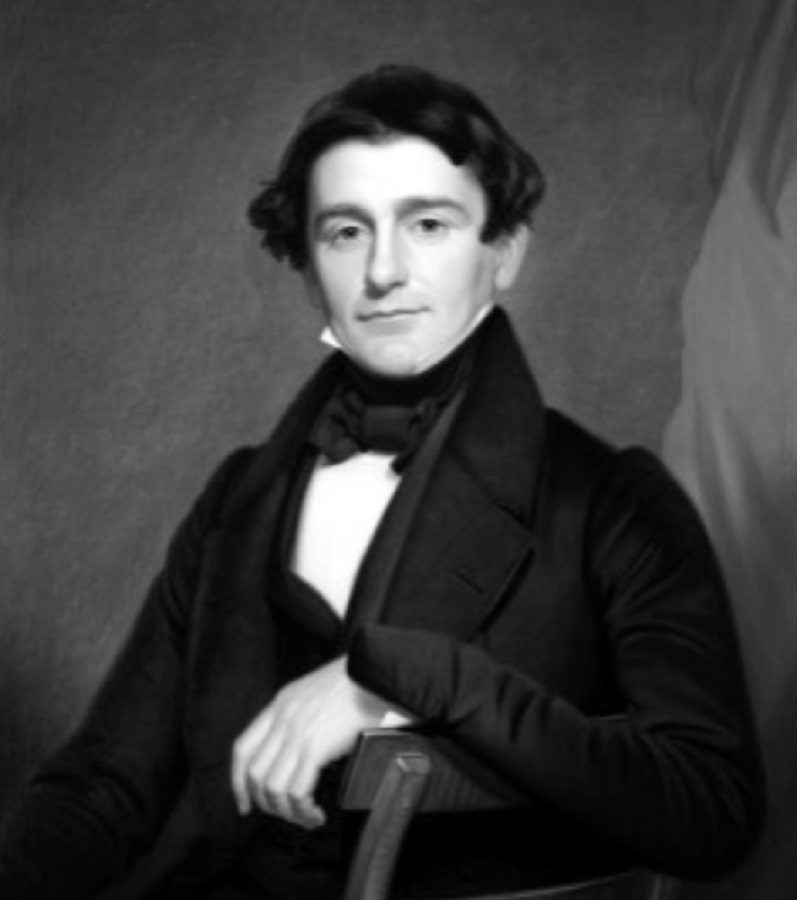
Johnson was of Dutch descent, and his ancestors were among the first settlers of Long Island. An ancestor of General Johnson, Jeremias Remsen, son of Llem Jansen, was born on September 10, 1675, and was the one who moved to the new continent. He purchased the Wallabout farm, where the general was later born. The farm belonged to the Remsen family for many years. However, although married to Jane, the daughter of Martin R. Schenck, Jeremias Remsen died without children on September 4, 1777, at the age of 63. He bequeathed the family estate to Barnet Johnson, the future general’s father.
Jeremiah Johnson lived on that same farm his entire life. After an eventful 87 years, he passed away on the very estate that his ancestors had owned and cultivated. Leveraging his considerable connections, he entered public affairs at an early age and remained an active, energetic, and dedicated public servant until his death. Born in 1766, he became a trustee of the Town of Brooklyn in 1796, a position he held until 1816.
In 1800, he was elected town supervisor. Jeremiah Johnson held this position for forty years, serving as the chairman of the board for much of that time. It was an era of straightforward simplicity, where public officials saw themselves as stewards of the community and held a very strict view of their civic duties. In Brooklyn, the supervisors were typically wealthy individuals who, having earned the public’s trust, were re-elected year after year. They debated public matters with a gravity that reflected their deep sense of responsibility to the community. Those who attended the Board of Supervisors meetings fondly remembered seeing General Johnson presiding with a long pipe in his mouth, while other members sat around the table, smoking their own pipes and filling the room with the scent of tobacco.
Election as Mayor of Brooklyn
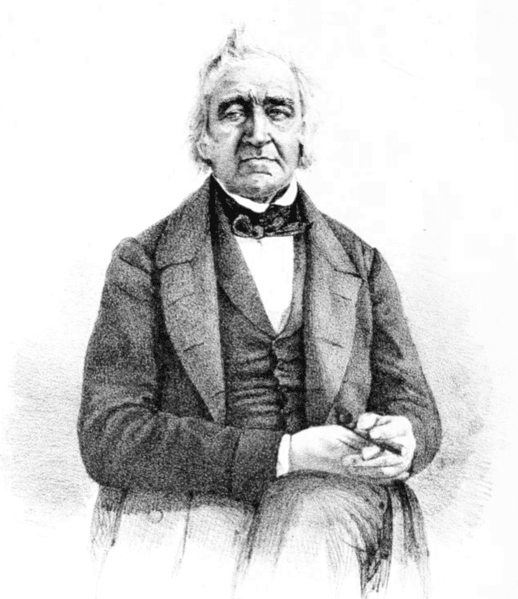
In 1803, General Johnson was elected to the State Legislature and was re-elected the following year. He served with his usual dedication, meticulously and consistently representing the views of his constituents at the state level. When the war broke out, he took an active part in raising troops. With a passion for military life, he soon achieved a prominent position in the armed forces. At that time, he was a brigadier general. When the militia was called to active duty, he fulfilled his military responsibilities by closely overseeing operations and commanding Fort Greene during military activities in the area.
During this period, Johnson resided outside the Brooklyn town limits and, consequently, did not participate in its civic affairs. In 1835, when the city charter was granted, the city’s boundaries were expanded to include the eighth and ninth wards, which encompassed the general’s residence. Then, in a fortunate turn of events, General Johnson was elected mayor of Brooklyn in 1837, serving until 1839. He was a deeply faithful public servant who never neglected any of his duties as he understood them. His management of public affairs was marked by unwavering punctuality.
Final Years in Public Service
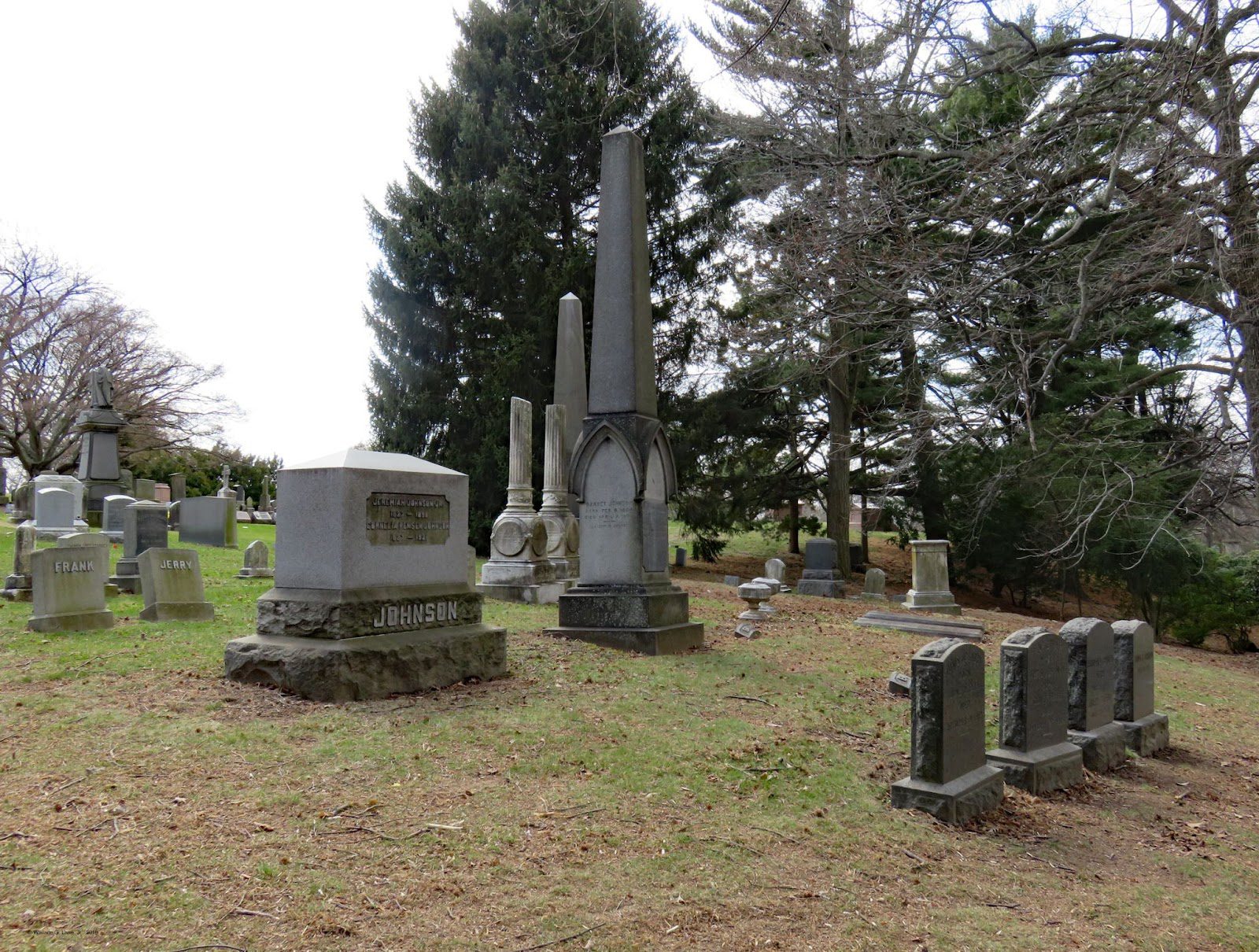
Everything always ran like clockwork. In those days, meetings were scheduled for three o’clock, and the general was always in his seat at the precise hour. He would call the roll, and if a quorum was present, the proceedings would continue. If not, the Council was adjourned until the next meeting. Incidentally, this explains his pose in the portrait that now hangs in the Governor’s Room at City Hall. In it, General Jeremiah Johnson sits with military posture, like a true soldier, holding a watch in one hand with its hands pointing to the meeting hour. In 1840, General Johnson was once again elected to the Assembly and was re-elected in 1841.
This was reportedly the last public office he held, with the exception of being elected president of the St. Nicholas Society in 1848. Despite his advanced age, he remained remarkably punctual in his attendance at the society’s meetings. This dignified presence would define him until the end of his life and be remembered by all the society’s members. General Johnson was a man of fine character. He dedicated himself completely to every endeavor he undertook. His steadfastness, loyalty to his ideals, and incredible willpower were his defining traits. All of this made Jeremiah Johnson a great man in the eyes of his subordinates, even though he did not possess any extraordinary talents or abilities.
He was a moderate and honest citizen, as well as a faithful and steadfast Christian. He was unassuming yet confident in himself and his actions. The City of Brooklyn, where he served as mayor and influenced its development, always regarded General Jeremiah Johnson with respect, honor, and affection.