
Surprisingly, the city of Brooklyn does not have a specific founder. Among the founders of the city is the Dutch community. This raises the logical question: how could such a tiny country as the Netherlands leave a disproportionately large mark on world history in general, and on American history in particular, over the course of centuries? The Dutch language has influenced a number of words in English, and the people have left their mark in the form of Dutch place names around the world. Brooklyn was no exception, and in fact, neither was the rest of New York City. For more information about the founders of Brooklyn and their lives in the newly discovered American lands, visit brooklyn-yes.com.
The first settlers
In addition to buying land, the colonizers could use force. For example, the head of the Dutch West India Company, Wilhelm Kieft, ordered an attack on unarmed indigenous people in Pavonia and Corlears Hook in February 1643. Starting in the 17th century, Dutch explorers and colonists founded their settlements on many continents around the world and used their own place names to call these places, making them their own, their own. For example, in New York City, it all started as a modest Dutch trading post of the West India Company, which did not prevent it from leaving a significant mark on the history of the big city.
In 1625, Dutch settlers founded New Amsterdam as the capital, which naturally became the capital of New Netherland on the island of Manna Hut, which, according to the Native Americans, meant “the island of many hills.” But since there were other nationalities among the Dutch, such as the English, all the names changed somewhat over time. For example, it was an Englishman working for the Dutch who turned the name of the Native Americans into Manhattan.
This island was chosen for strategic reasons, as it was large enough to feed the settlers and small enough to be defended by a fort. It was also an advantageous location for trade, as the ocean and rivers that stretched inland began nearby.
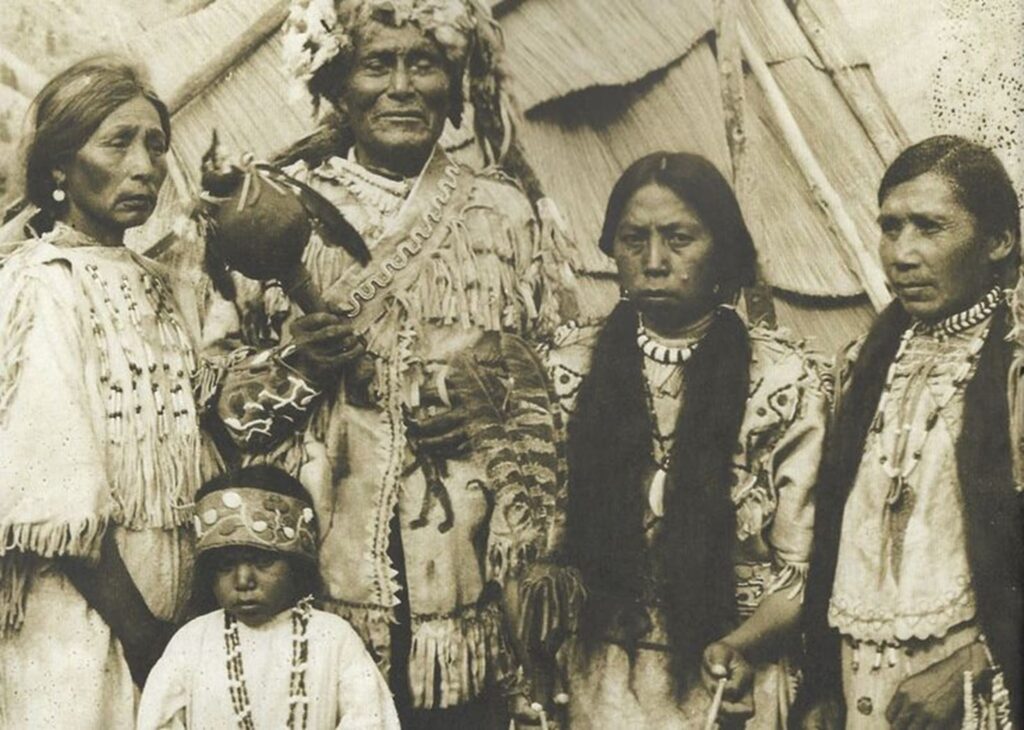
How the Dutch acquired these lands varied. They themselves reported that they bought them for various goods, sometimes very cheaply, from the Native American Lenape tribe that lived on these lands.
However, it is known that the Lenape did not believe in private land ownership. Instead, they had great respect for gifts for services rendered. Therefore, the Lenape, one of the tribes living on these lands, perceived the goods given to them by the Dutch as gifts, as a sign of gratitude for the right to share the land. The Indians did not even realize that the Dutch intended to claim these lands for their exclusive personal use. The latter shamelessly used it throughout the region.
An illustrative example of this policy is the history of the town of Marechkavik on the banks of the Gowanus River, one of the current boroughs of Brooklyn. This town was home to the aforementioned Lenape Indians. There were not many of them, a few hundred of them. They grew corn and other crops on the fertile soil around the river.
What the first Dutch settlers did was to buy land near the Gowanus from the Marechkawik chiefs. Thus, in 1636, the Indian rulers of other Lenape towns were also deceived.
After some time, the Lenape forced the Europeans to return to Manhattan Island. But two and a half years later, in August 1645, European troops recaptured the area. It was after this war, which was named the “Kifta War,” that these settlers founded Brooklyn, a city on top of Marechkawika, in March 1636.
Homeland Vechte
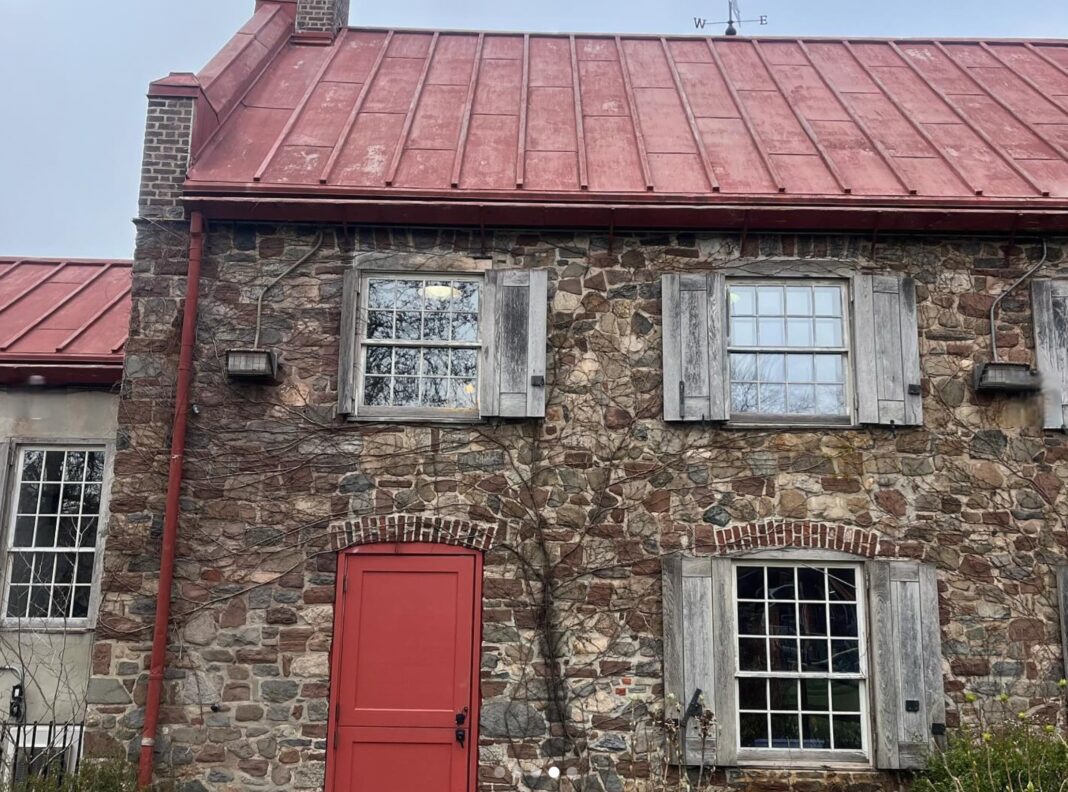
The story of the Dutch Wechte family, who arrived in New Amsterdam from the Netherlands in 1660, began when Hendrik Klassen Wechte commissioned the construction of an old stone house in 1699. This construction was to begin on land his father had purchased along the Gowanus River decades earlier.
Because Hendrick served as a justice of the peace in Brooklyn, he was a wealthy man. His son Nicholas Wechte was born in the same old stone house in 1704 and lived on the farm until his death during the Revolutionary War.
Like many of their neighbors, the Wechte’s enslaved an entire generation of people of African descent to do most of the work on their farm. The slaves grew grain, fruits, vegetables, oysters, and livestock for sale. They cooked and cleaned, and kept the fire going in the hearth on long, cold nights. When the Continental Congress declared independence from Great Britain in 1776, more slaves than freedmen lived in this stone house. After the War of Independence, the Wechte family sold the farm to another family.
The History of Flatbush
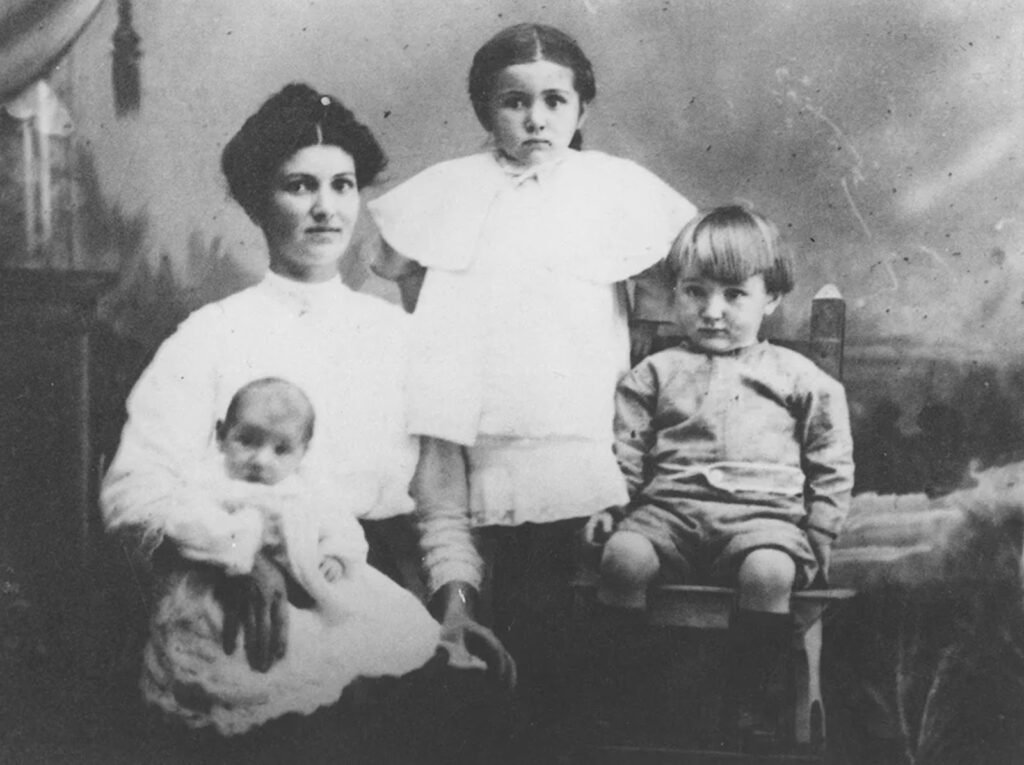
Another story of a Dutch family that demonstrates how the city of Flatbush, which is now another Brooklyn neighborhood, was settled and developed. When Pieter Janse Hagewoot and his family settled in Flatbush in 1661, it was known as Midwut or Vlak Bos. At the time, it was a densely wooded area that was located a few miles from New Amsterdam, a small port city on the edge of Manhattan. New Amsterdam was then the center of the Dutch colony. Europeans, mostly Dutch, were settling in the region. In 1652, Midwut received a city charter.
It is known that in the seventeenth century Midwut was nothing more than a border outpost where a few hardworking Dutch farmers lived with their families. They grew their crops on the accessible and fertile land of Long Island, or as it was called by the Lenape Indians, the Sevanhacketts.
Some early residents, including Peter Jansse Gagewout, received their land through land grants from Peter Stuyvesant himself, the Governor General of New Netherland. However, only a small number of families decided to settle on the border of New Amsterdam. In 1696, less than 500 people lived in Flatbush.
The family of Pieter Janse Gagewout was not the only one to settle here. During the seventeenth century, Dutch families such as the Lefferts, Hegemans, Cortelius, and Vanderveer lived with the Canarsie Indians, who had settled Sevanhaka long before Europeans arrived. Then history repeated itself, between the 1630s and 1680s, European settlers bought land from Native American tribes all over present-day Brooklyn.
By the 1680s, the Dutch had bought up the entirety of Kings County. In addition, during the seventeenth century, there were fierce clashes over disputed territories. The Dutch fought against the indigenous tribes, and rival tribes fought each other. The real problem was the regular outbreaks of smallpox, which further reduced the population of the Canarsie tribe. By the eighteenth century, most of the remaining Native Americans had migrated further east to Long Island or moved west to the Delaware River Valley and beyond.
The influence of the Dutch
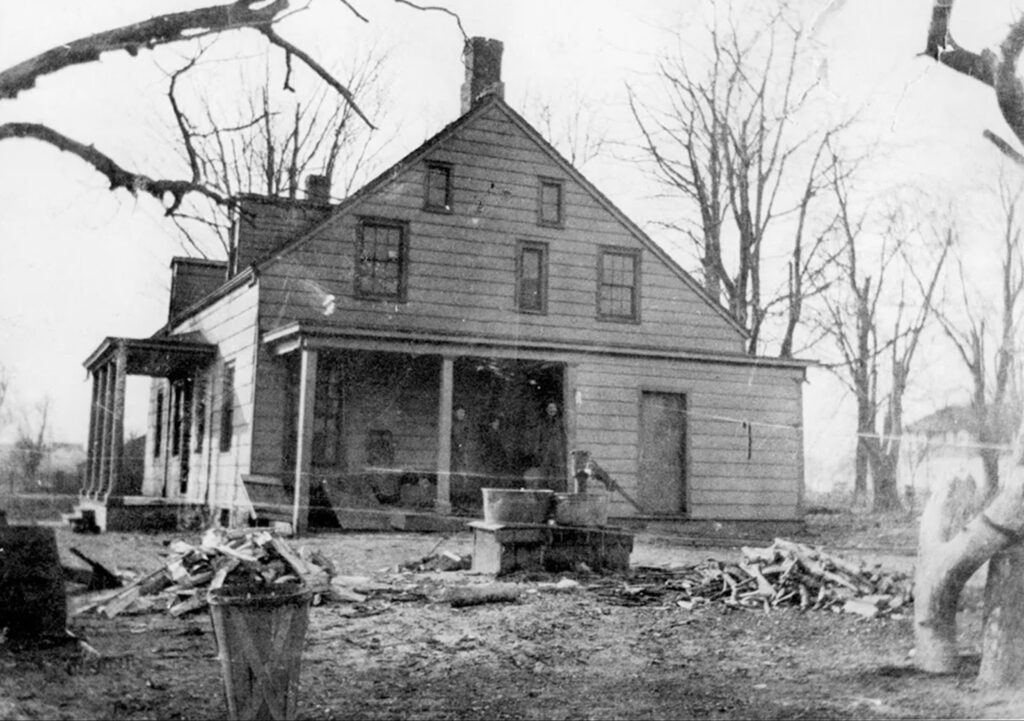
Thus, it was Dutch immigrants who founded Brooklyn. They were engaged in agriculture in small border towns and supported New Amsterdam. The settlers lived mostly in wooden houses, which were later replaced by brick ones. They grew wheat and tobacco.
Their lives were determined by agriculture, family farming, or large estates where slaves worked. They also engaged in trade. Although the Dutch were in power in these lands for only 30 years, their influence lasted for more than two centuries.
Sources: