
After General Robert E. Lee’s army surrendered in April 1865, many Union volunteers from Brooklyn finally returned home. Soon after, then-Mayor Alfred M. Wood proposed designing and presenting a medal to the honorably discharged soldiers in blue as a token of recognition for their sacrifice. Read more about how Brooklyn honored the heroes of the War of Independence at brooklyn-yes.com.
Mayor Wood and His Idea
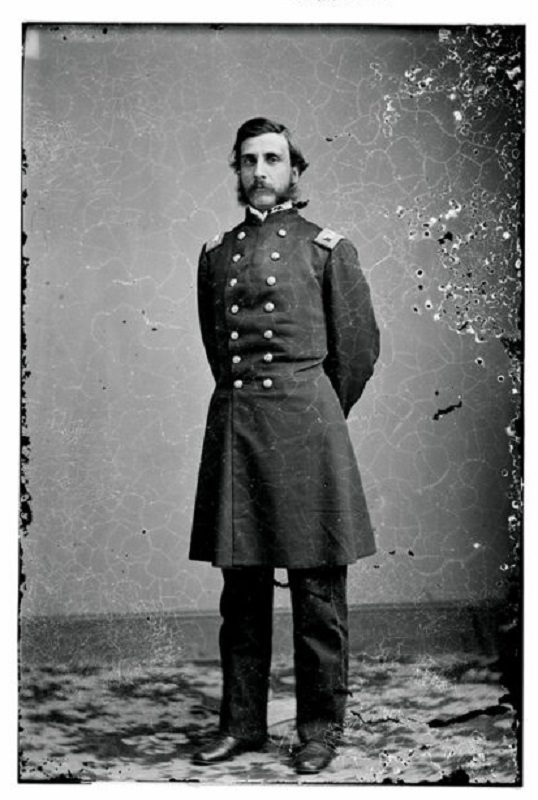
Mayor Wood had firsthand experience of war and understood its true cost. He served as Colonel of the 14th New York Militia, also known as the 14th Brooklyn Regiment, during the Battle of Bull Run in 1861. During the battle, Wood sustained a severe leg injury and was captured. Following an official prisoner exchange in February 1862, he and other prisoners of war returned to Brooklyn, where they were welcomed as heroes. Wood successfully ran for mayor in the fall of 1863, serving a two-year term before choosing not to seek re-election.
Wood’s proposal was accepted by the Brooklyn Common Council on June 26, 1865. This procedure made the award one of the first, if not the first, officially sanctioned medals by a U.S. governmental body during the Civil War. Shortly afterward, New York State issued its own medal, albeit in limited numbers. At the federal level, a comparable award did not appear until 1905.
Brooklyn officials hurriedly organized a grand welcome parade on July 4 for the few who had returned from the battlefields of Virginia. According to the plan, veterans were to receive certificates, which they would later exchange for medals once they were ready. However, due to a communication failure, the event did not go as planned. To Mayor Wood’s great surprise and embarrassment, the veterans returned home after the parade and were absent from the planned award ceremony.
A Second Attempt
But the determined mayor did not give up. To rectify the mishap, it was proposed to organize another, more official event, worthy of the occasion. Moreover, the city allocated $10,000 to cover the expenses.
Wood’s term as mayor ended on December 31, 1865, after which he was succeeded by Samuel Booth. The former mayor used his political influence to persuade Booth to entrust the creation of the medal and the award ceremony to the Military Affairs Committee. The committee scheduled the event for October 25, 1866, allowing ample time for preparations and ensuring the presence of all Brooklyn veterans.
The new event would include a military parade, an award ceremony, and a special banquet for the veterans. Coincidentally, the event aligned with the opening of a new military drill ground in Prospect Park in downtown Brooklyn. Among the special guests were Governor Reuben E. Fenton and two of the highest-ranking officers in the U.S. Army and Navy: Lieutenant General Ulysses S. Grant and Rear Admiral David Farragut.
Planning the Grand Event
Meanwhile, work continued on refining the design and production of the medals. A contract was signed for 6,000 bronze medals at a cost of $8,750. Additionally, two special medals were crafted from pure gold, intended for General Grant and Admiral Farragut, at an extra cost of $200.
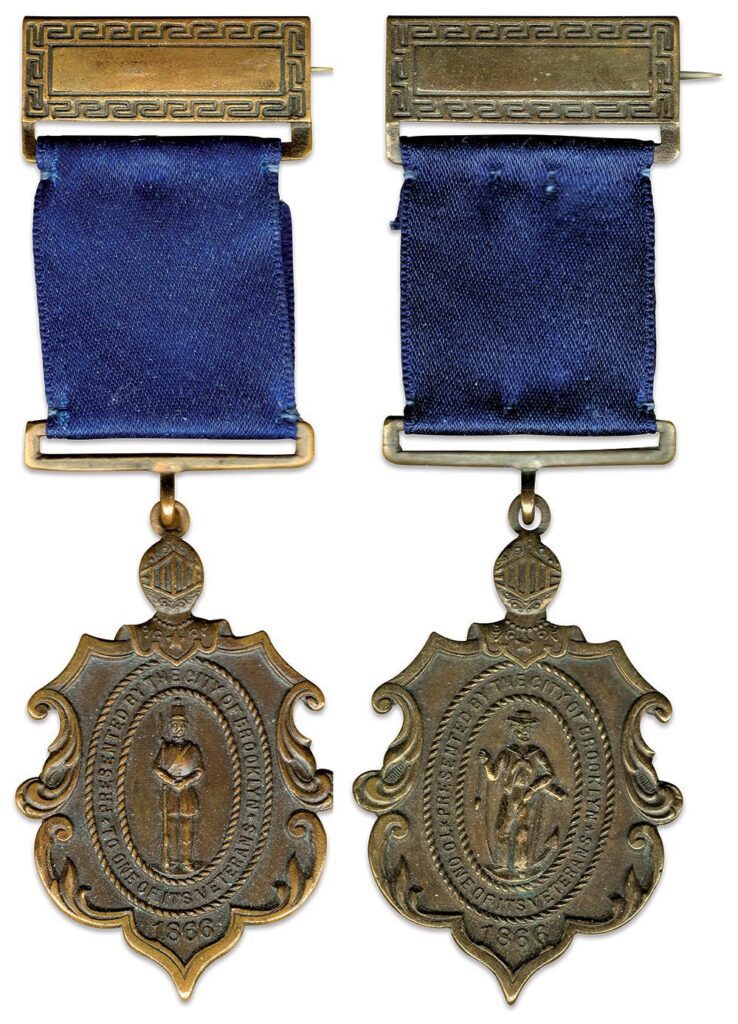
The medal’s design featured a shield-shaped bar with an engraving of a soldier or sailor on the obverse, along with the inscription: “Presented by the City of Brooklyn to One of Its Veterans” and the year 1866. The reverse displayed the Brooklyn city seal. The medal was attached to a dark blue satin ribbon, fastened to a rectangular bronze clasp.
The committee also established eligibility criteria for receiving the medal. Any soldier or sailor who resided in Brooklyn or Kings County at the time of enlistment and served honorably was eligible. A second category included all who served in units raised in Brooklyn or Kings County. Families of those who perished in the war were also eligible to receive medals on behalf of the fallen. Given that Brooklyn contributed 20,000 troops, the committee emphasized that only those who served in combat on land or at sea would receive medals.
In October 1866, the committee launched a large-scale campaign in local newspapers to inform veterans. The announcement instructed them to report to Room No. 1 at City Hall with proof of service to register. To streamline the process, officers of qualifying units were encouraged to submit rosters of those who served under them, while comrades were urged to contact their commanding officers.
At the same time, the committee met with former commanders to ensure that the event would be conducted with military precision. The Brooklyn Daily Eagle published an “Honor Roll” listing 4,000 veterans, including 108 sailors.
A significant last-minute change occurred when the venue was moved from Prospect Park to Fort Greene, then known as Washington Park, due to construction delays. Workers rushed to build a 40-by-60-foot grandstand and set up large banquet tables for the veterans’ meal before the ceremony.
The Parade and Ceremony
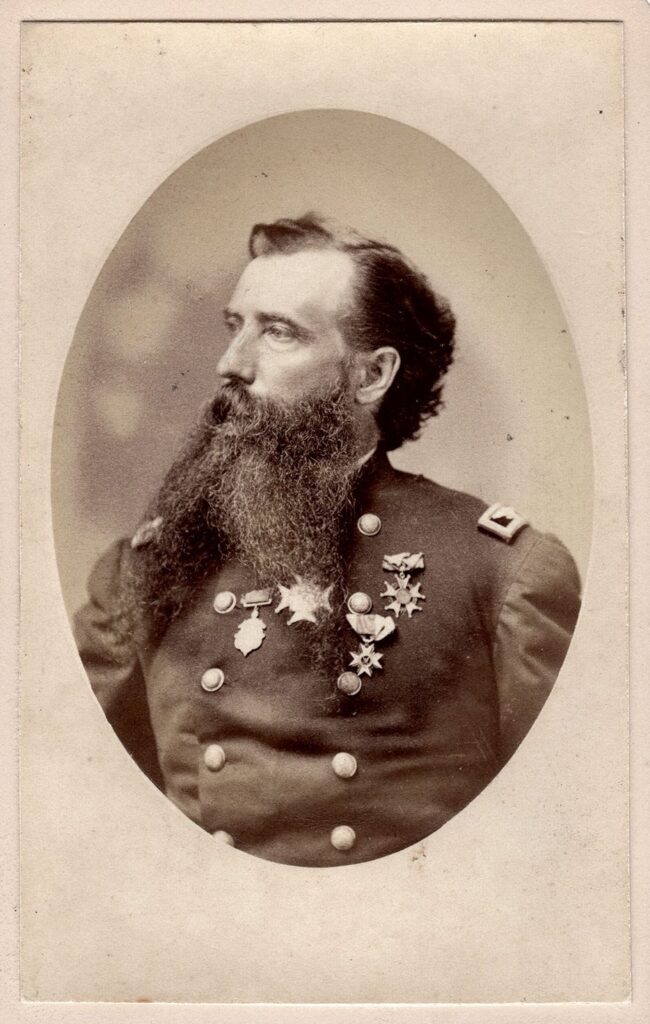
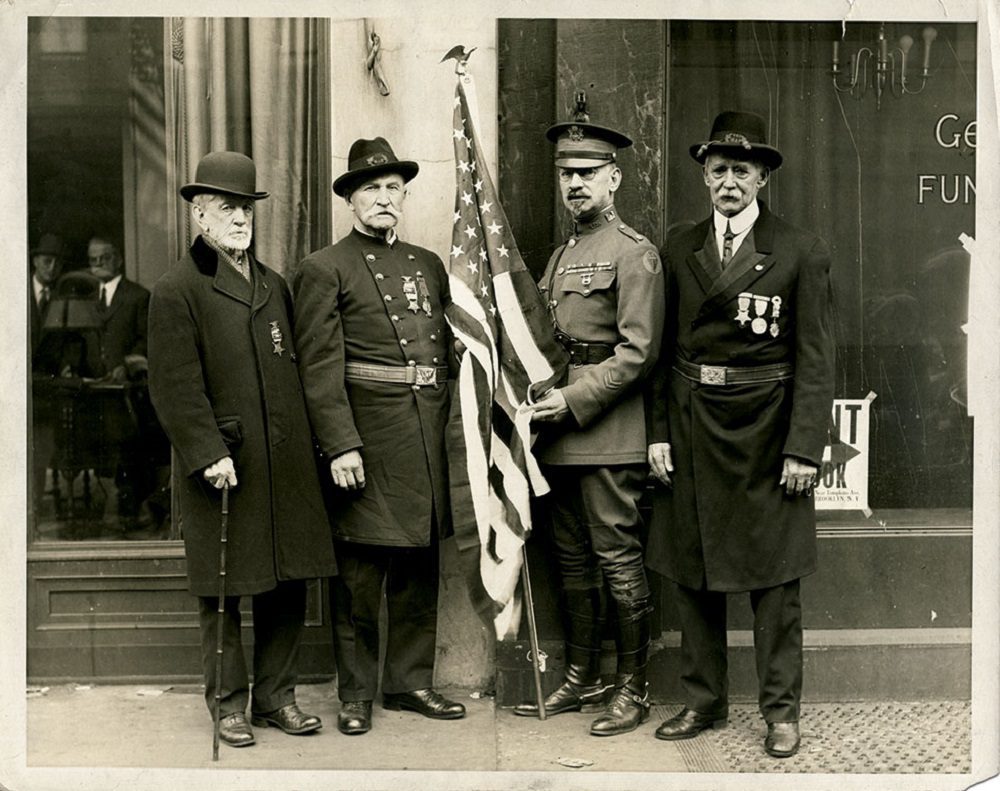
The event took place on October 25. Early in the morning, veterans and members of police regiments assembled at designated locations. Their blue and gray uniforms gleamed as 4,000 veterans organized into 10 regiments, while navy veterans prepared for their first official march.
Leading the procession down Fulton Street were Governor Fenton, local politicians, military leadership, and a contingent of disabled veterans. Behind them followed two companies of the 7th City Cavalry, then the honored veterans, marching against the backdrop of countless American flags hanging from every window and waving in the hands of grateful spectators. Upon arrival, the veterans took their positions around the grandstand, placing their regimental flags on the platform. General Grant was unable to attend, sending his regrets, but Admiral Farragut arrived and delivered a short, clear speech.
Former Mayor Wood recalled the brave volunteers who had left home in 1861. He spoke of the many lives lost on distant battlefields, the support from the home front, and the final victory over the enemies of the Constitution. He concluded by describing how Brooklyn’s loyal patriots honored their returning soldiers, expressing the city’s gratitude. According to press reports, attendance ranged from 15,000 to 50,000 people.
Then came the medal presentation. To expedite the ceremony, Mayor Booth and former Mayor Wood handed each unit representative the required number of medals for distribution among their comrades. Once all medals were awarded, the men were dismissed and invited to a meal of sandwiches and light beer. That evening, distinguished guests attended an exclusive banquet by invitation only.