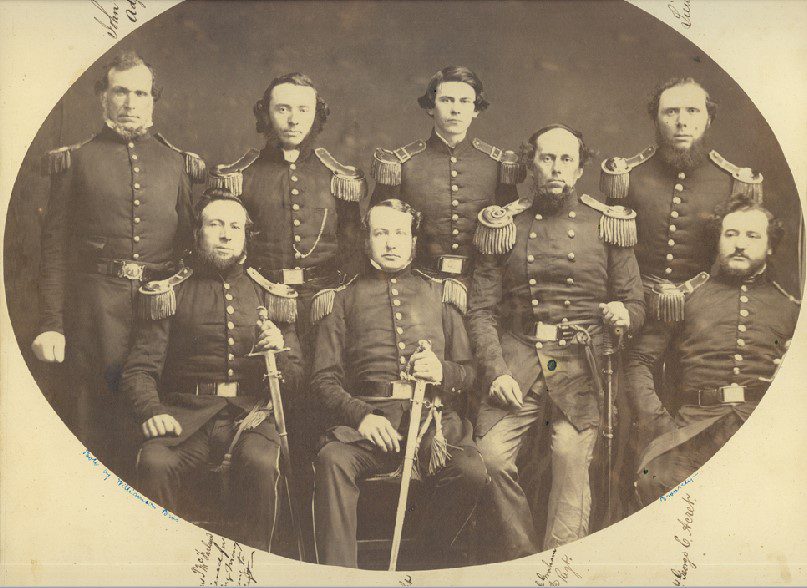

The U.S. Civil War changed the course of American history. President Abraham Lincoln and the army preserved the Union and ended slavery in the South, but at what cost? It was the most destructive and deadly war ever fought on American soil. More than 620,000 Union and Confederate soldiers died during the war, which began in April 1861 and ended four years later, in April 1865, with General Robert E. Lee’s surrender at Appomattox. Read about how the Civil War affected life in Brooklyn at brooklyn-yes.
The Borough’s Role in the War
In the mid-19th century, Brooklyn was expanding rapidly, though the surrounding towns were mostly rural with large farms. By the start of the Civil War, the city of Brooklyn was the third most populous in America, after New York City and Philadelphia. Brooklyn continued to grow, eventually annexing all the towns in Kings County. In 1898, the consolidated city of Brooklyn became the borough of Brooklyn, part of New York City.
Brooklyn played an important role in the Civil War. Its contributions included thousands of soldiers on the battlefield, money for supplies raised by women at the 1864 Sanitary Fair, the first armored warship named the “Monitor,” and the Brooklyn Daily Eagle newspaper, which reported news from the front lines to the world.
The Tobacco Factory Riots
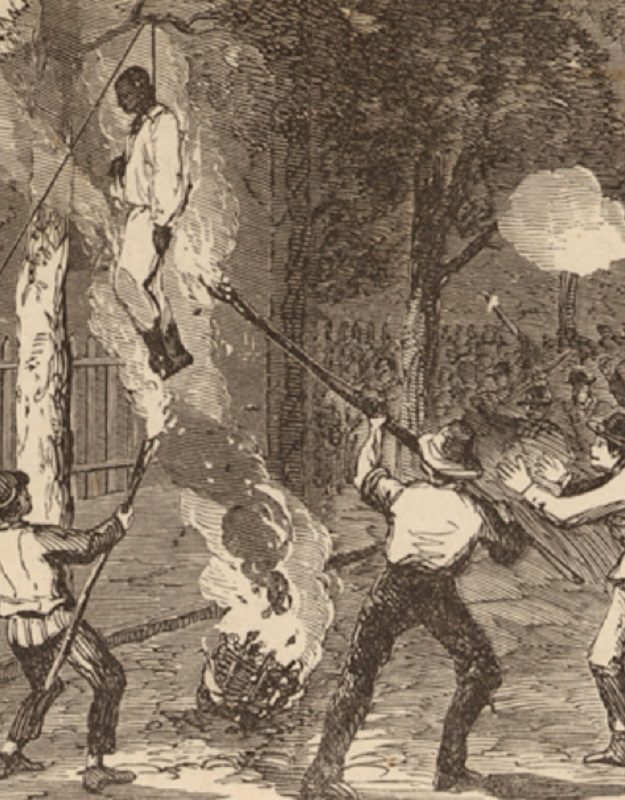
On April 12, 1861, the attack on Fort Sumter marked the beginning of the Civil War. But the conflict wasn’t limited to the battlefield. By 1860, Brooklyn was the third-largest city in the U.S. It was home to a culturally diverse society, including people of Dutch, English, and African descent. There was also a growing number of German and Irish immigrants.
The Irish and Black communities were among the most marginalized in American society. They often competed for the same low-paying, low-skill jobs. During the Civil War, the Irish feared that escaped and newly emancipated Black men and women would arrive in Brooklyn and take available jobs, exacerbating the animosity. In the summer of 1862, an Irish mob attacked men and women at a tobacco factory on Sedgwick Street in Brooklyn. The tobacco factory riots were a precursor to the massive Manhattan riots that would erupt a year later.
Brooklyn’s Little Drummer Boy
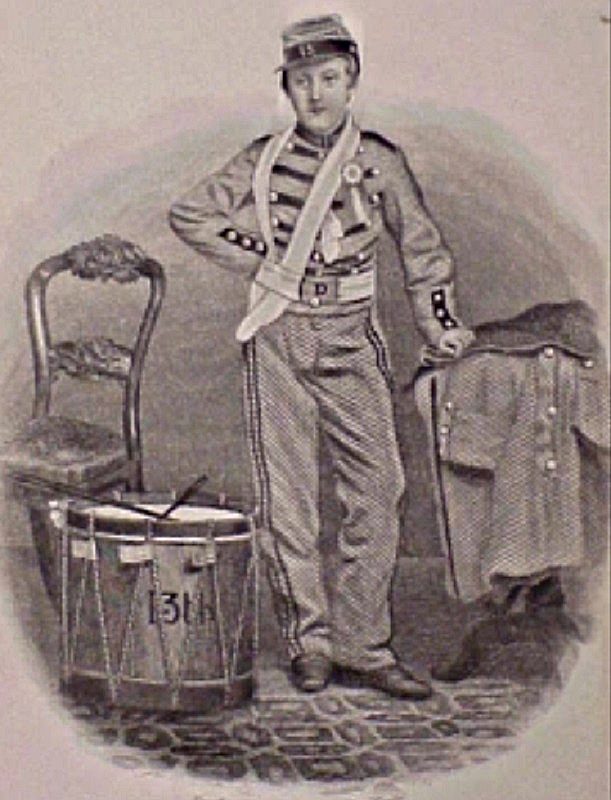
But there were other Civil War heroes in Brooklyn. In 1860, 11-year-old Brooklyn boy Clarence D. Mackenzie joined the 13th New York State Militia as a drummer boy. His job was to use his drum to send various signals to help the troops communicate on the battlefield.
In June 1861, his unit traveled by steamboat to Annapolis. But before he saw combat, the boy was accidentally shot and killed by a fellow soldier. He was 12 years old and became the first Brooklyn resident to die in the Civil War. Thousands of people attended his funeral, moved by the fate of the “Martyr Boy of Brooklyn,” as the Brooklyn Daily Eagle called him.
Clarence was buried in Green-Wood Cemetery under a monument depicting a drummer boy, which still stands today. Shortly after his death, a church on Fulton Street published a book about what a heroic, God-fearing boy he was.
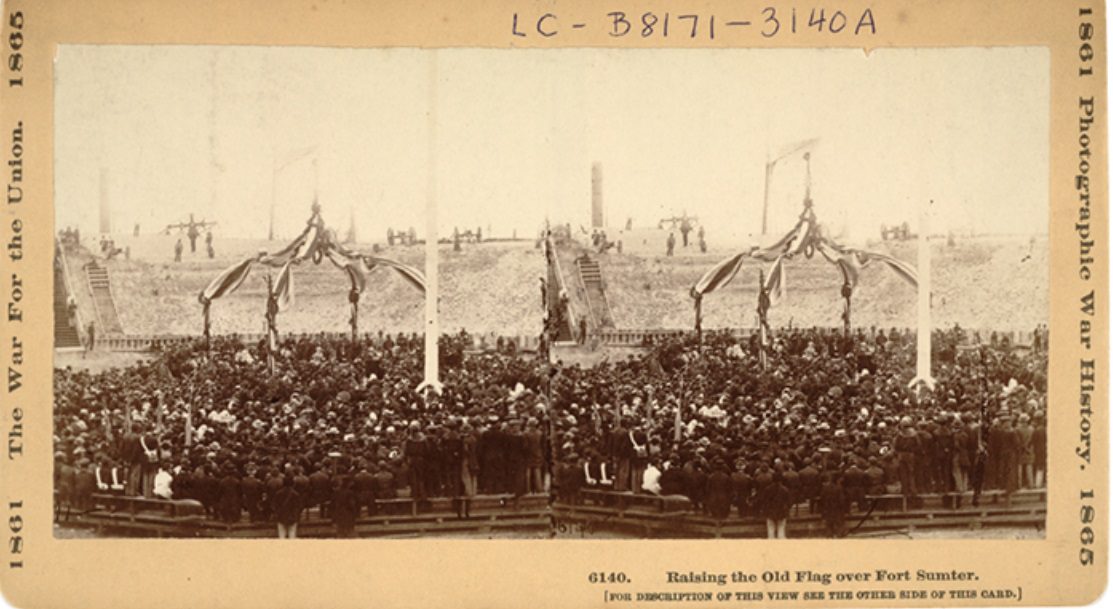
In April 1865, the Civil War ended. Henry Ward Beecher, arguably Brooklyn’s most famous abolitionist, attended the flag-raising ceremony at Fort Sumter. Three decades after abolitionists began their campaign to destroy slavery in the United States, equality finally came for all.