
The Civil War was the culmination of a long-standing conflict between the Union and the Confederacy, a struggle between the future and the past, freedom and slavery. Lasting four years, the war saw at least 2,000 battles and was the largest conflict in U.S. history in terms of human loss. To learn about Brooklyn’s role in the Union’s victory, visit brooklyn-yes.com.
The War at Sea
The U.S. Navy was a crucial factor in the Union’s success over the Confederacy. At the start of the war, the Navy was relatively small, but it quickly expanded through the construction and leasing of hundreds of vessels. Technological advancements led to the development of new warships, the most famous being the Monitor, the first ironclad warship in the U.S. Navy.
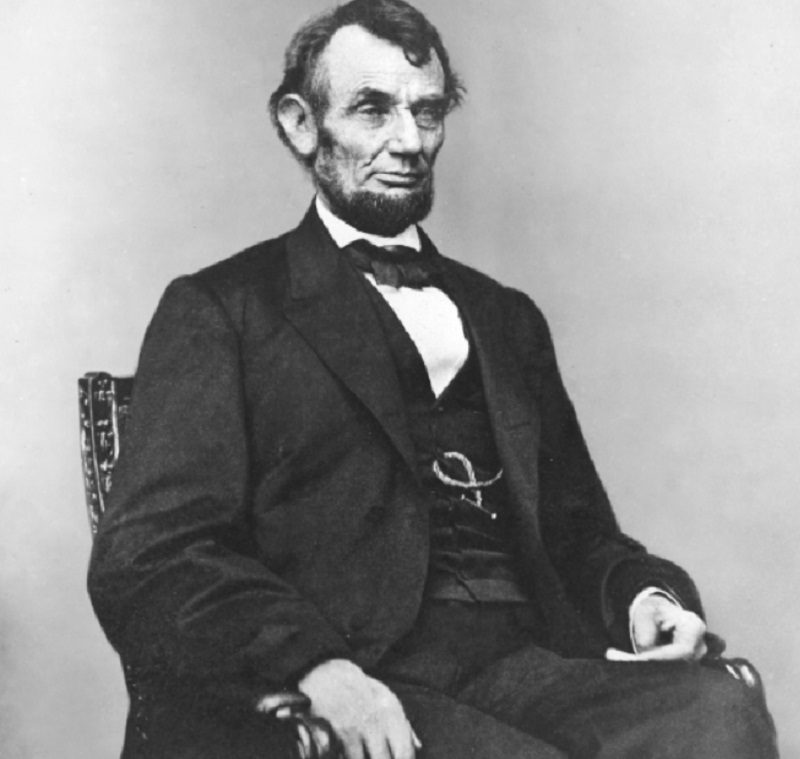
On April 19, 1861, President Abraham Lincoln announced a blockade of Southern ports, aiming to strangle the Confederacy economically. General Winfield Scott’s Anaconda Plan sought to choke the South by controlling 3,000 miles of Atlantic and Gulf coastline, as well as the Mississippi River, encircling the Confederacy like a giant serpent. Initially ineffective, the blockade gradually tightened and played a decisive role in the Union’s eventual victory.
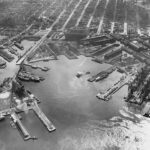
A key player in this effort was the Brooklyn Navy Yard. During the Civil War, it produced nearly 15 large ships and refitted over 400 commercial vessels for blockade duty. The entire Brooklyn shipyard workforce was dedicated to victory, with rumors circulating that the famed Monticello was refitted and launched in just one day.
Confederate Sabotage Attempts
By the spring of 1861, the Brooklyn Navy Yard focused exclusively on modernizing ships—installing new weaponry and upgrading older models. Within weeks, the shipyard operated 24/7 in three shifts, including nights and weekends. The results were evident in November 1861, when the screw steam sloop Oneida was launched—the first ship built at the Brooklyn Navy Yard specifically for the Civil War. Oneida fought in the battles of Fort Jackson and Fort St. Philip in 1862 and played a key role in the Battle of Mobile Bay in 1864.
Another iconic vessel built in Brooklyn was the ironclad Monitor. Due to the Brooklyn Navy Yard’s significance in bolstering the Union fleet, the Confederacy made several attempts to sabotage the shipyard, including arson attacks on its warehouses. However, the Union Navy quickly mobilized sailors and Brooklyn police to defend the yard. Security was significantly increased, and sabotage attempts soon ceased.
Everything for Victory
But the Civil War was not fought solely at sea. The conflict involved young men (and even disguised women) from cities and rural areas alike. When war broke out in April 1861, patriotic fervor swept the population on both sides, as many expected a quick victory. Men and boys rushed to enlist, eager to see battle before the war ended. Some boys as young as 11 served as drummers, while soldiers traveled by ships, trains, horseback, and mostly on foot. Thousands of Brooklyn residents joined the Union Army.
At the time, Brooklyn was rapidly expanding, though its surrounding towns remained predominantly agricultural. By the mid-19th century, Brooklyn was the third-largest city in the U.S., after New York City and Philadelphia. It continued to grow, eventually annexing all towns in Kings County. By 1898, with the consolidation of New York City, Brooklyn officially became a borough of New York.
Brooklyn’s most significant contribution to the war was its people. Thousands of soldiers departed for the front lines, while Brooklyn residents raised funds for supplies. One notable event was the Sanitary Fair of 1864, organized by Brooklyn women to support Union soldiers. Additionally, the Brooklyn Navy Yard constructed the first ironclad warship, the Monitor. Meanwhile, The Brooklyn Daily Eagle served as a powerful voice for the Union, reporting updates from the battlefield.
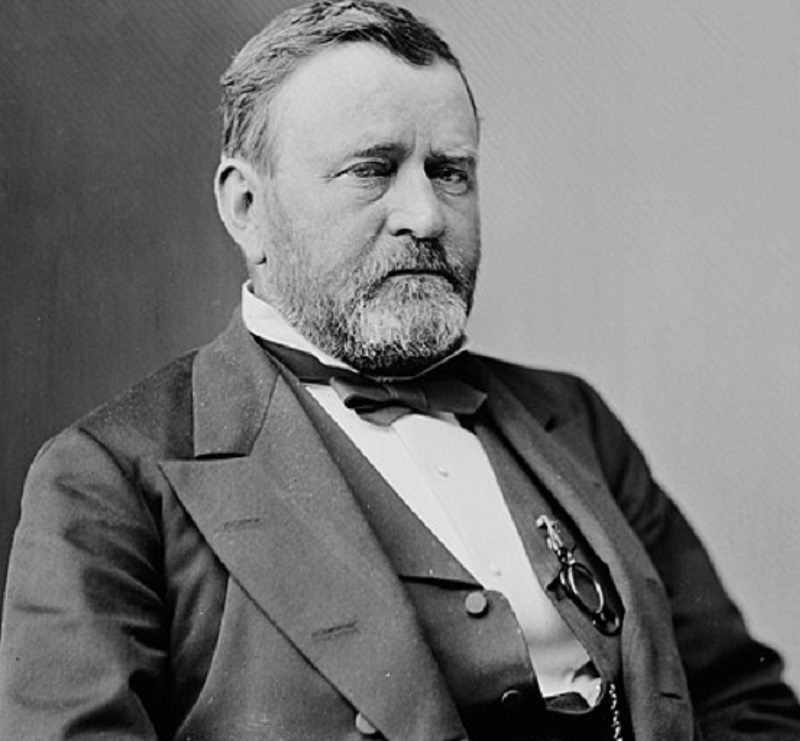
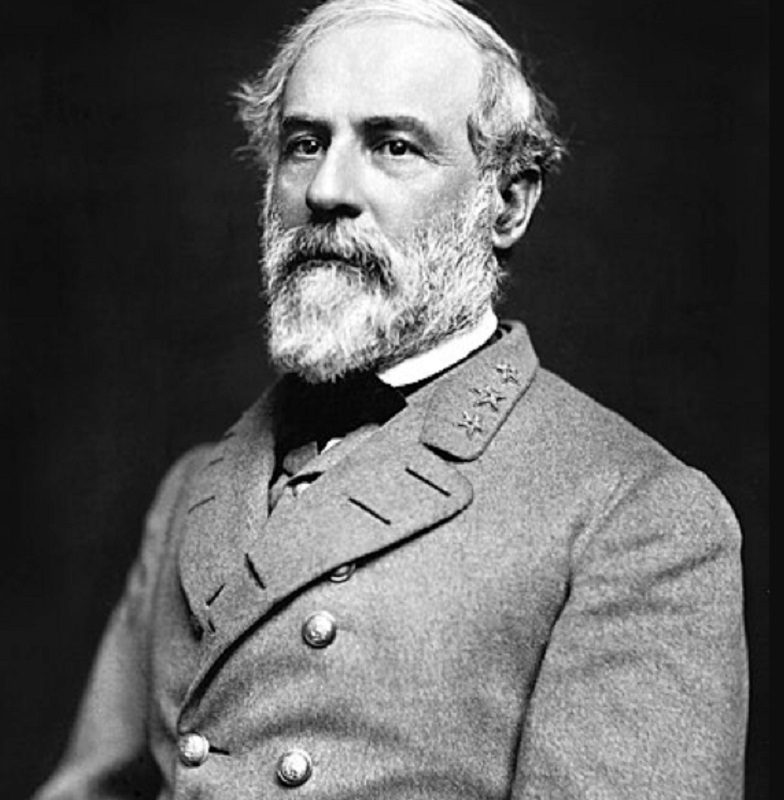
The Civil War forever changed U.S. history. President Abraham Lincoln and the Union Army preserved the nation, bringing an end to slavery, but at an immense cost. The war—the deadliest conflict on American soil—claimed over 620,000 lives on both sides. It began in April 1861 and ended four years later, in April 1865, with General Robert E. Lee’s surrender at Appomattox.
Brooklyn and the entirety of Kings County played a crucial role in this victory.
Today, historians and Brooklyn residents continue to explore this chapter of history, seeking to better understand the war’s impact and legacy.