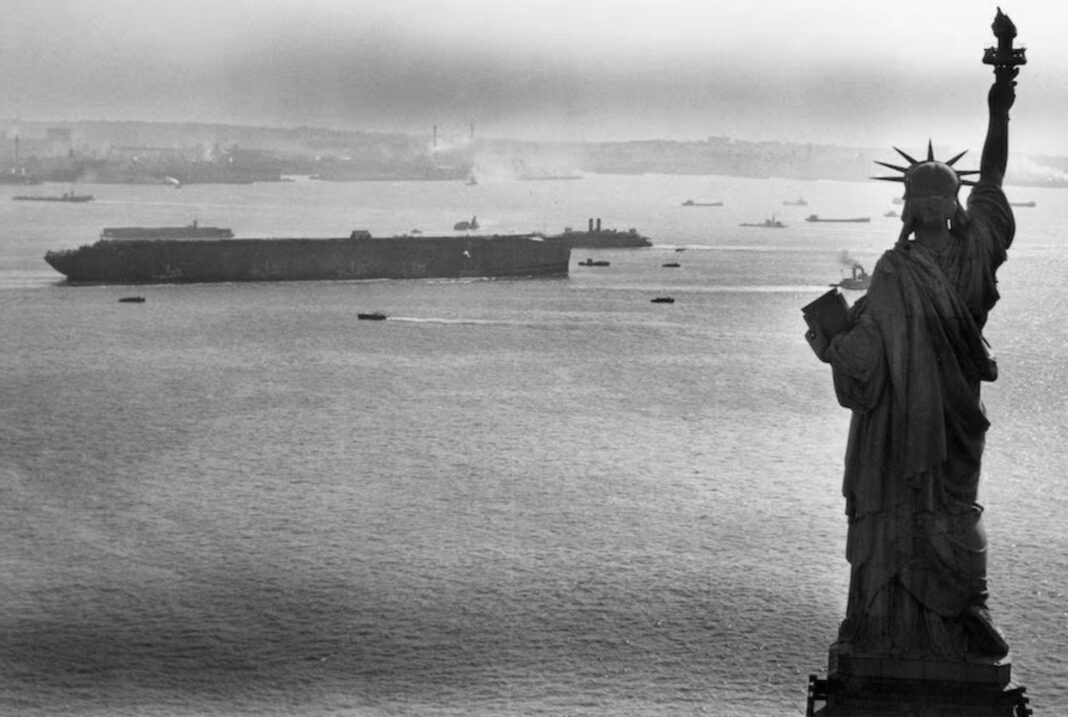

Shipbuilding and ship repair were not traditionally considered women’s work, but the emergency of wartime changed everything. During World War II, for the first time in United States history, thousands of women began working in naval and commercial shipyards due to a critical shortage of male labor.
This happened despite the shipbuilding industry’s long-standing traditions against hiring women for such roles. But necessity, as they say, is the mother of invention. Women were hired—they had to be—to support the massive naval expansion program that gave the United States the largest fleet in the world. Read more at brooklyn-yes.com.
An Indispensable Force
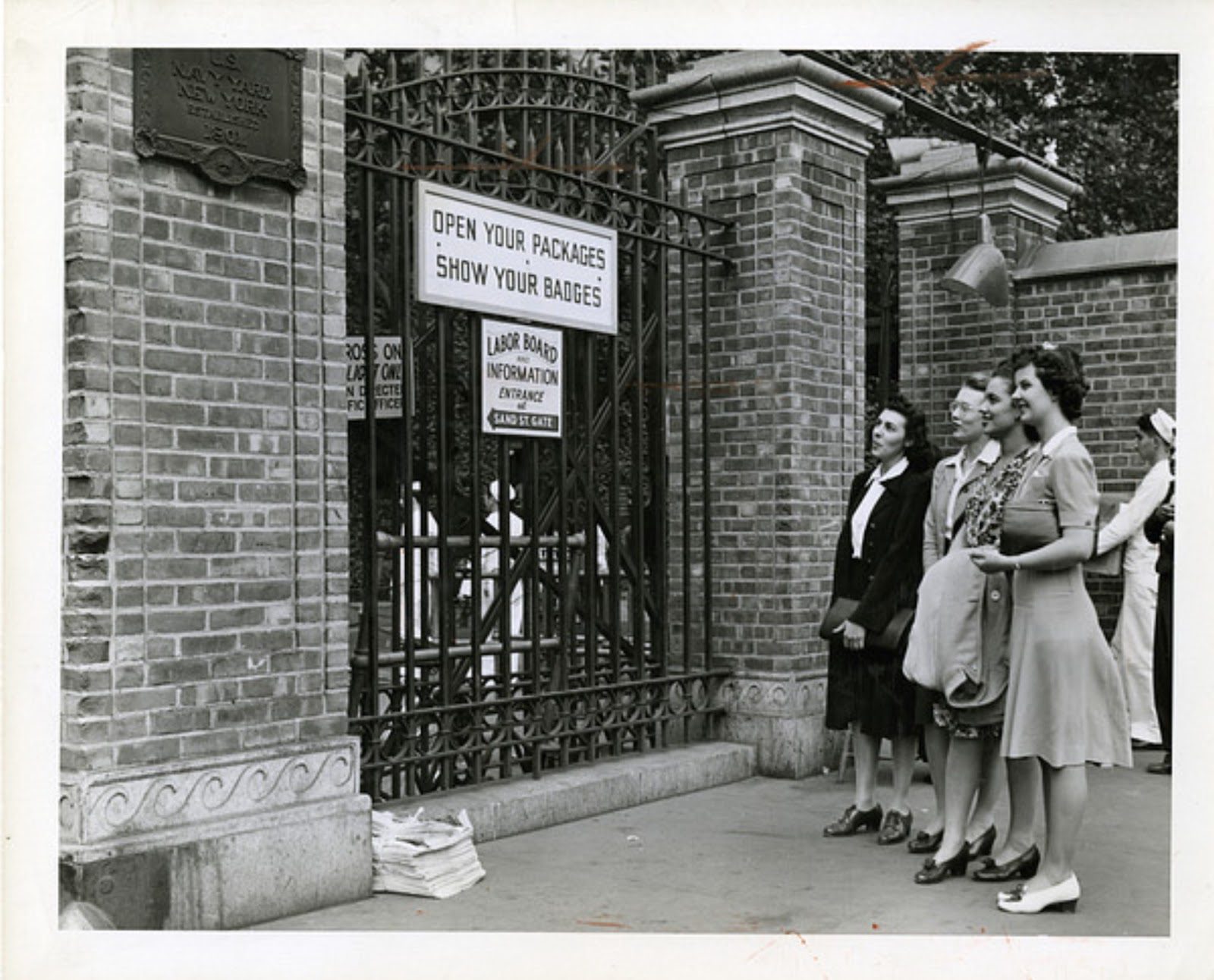
When the national defense program ramped up in 1939, the aviation industry was already hiring women in large numbers. However, shipyards and repair facilities held fast to their traditional position: women were not needed here. This attitude persisted right up until the attack on Pearl Harbor.
Once war was declared, there was no time to debate where to find workers. The front lines urgently needed all types of ships—battleships and minesweepers, aircraft carriers and landing craft, cargo transports and barges. The President called for a “ship bridge” to Europe, and the Maritime Commission later focused on crossing the Pacific.
Fulfilling these plans, countering U-boat attacks, compensating for massive merchant vessel losses, and, most importantly, rebuilding the battle fleet devastated at Pearl Harbor required a colossal workforce. But with millions of men needed for the armed forces and other industries facing their own labor shortages, it was only a matter of time before women were recruited for traditionally male jobs.
To fill the huge gap between labor demand and supply, America turned to an untapped resource: womanpower. The War Manpower Commission and the Assistant Secretary of the Navy urged the shipbuilding industry and naval shipyards to overcome their prejudices and welcome women into their ranks.
Women in the Shipyards
Before the war, many government shipyards were technically open to women, but their actual employment was limited to sewing sails and flags by hand or machine. In fact, at many naval shipyards, even this work was done by men until August 1942. Around that time, women began appearing in other professions, and within just a year, the situation had changed dramatically.
By May 1943, the number of women employed in the nation’s naval shipyards stood at more than 45,000 out of a total workforce of nearly 331,500. A little over half of them, 24,200, were in production jobs. While announcing these figures, the Assistant Secretary of the Navy called for greater efforts to continue this upward trend. At that time, women made up an average of 13.6% of the workforce across the nine fleet shipyards.
By July 1943, the percentage had risen to 15.2%, with the total number of women employed climbing to over 53,000 out of nearly 349,000 workers. The percentage continued to grow, reaching 16.9% in March 1944 and 17.8% by December of that year.
The Brooklyn Navy Yard
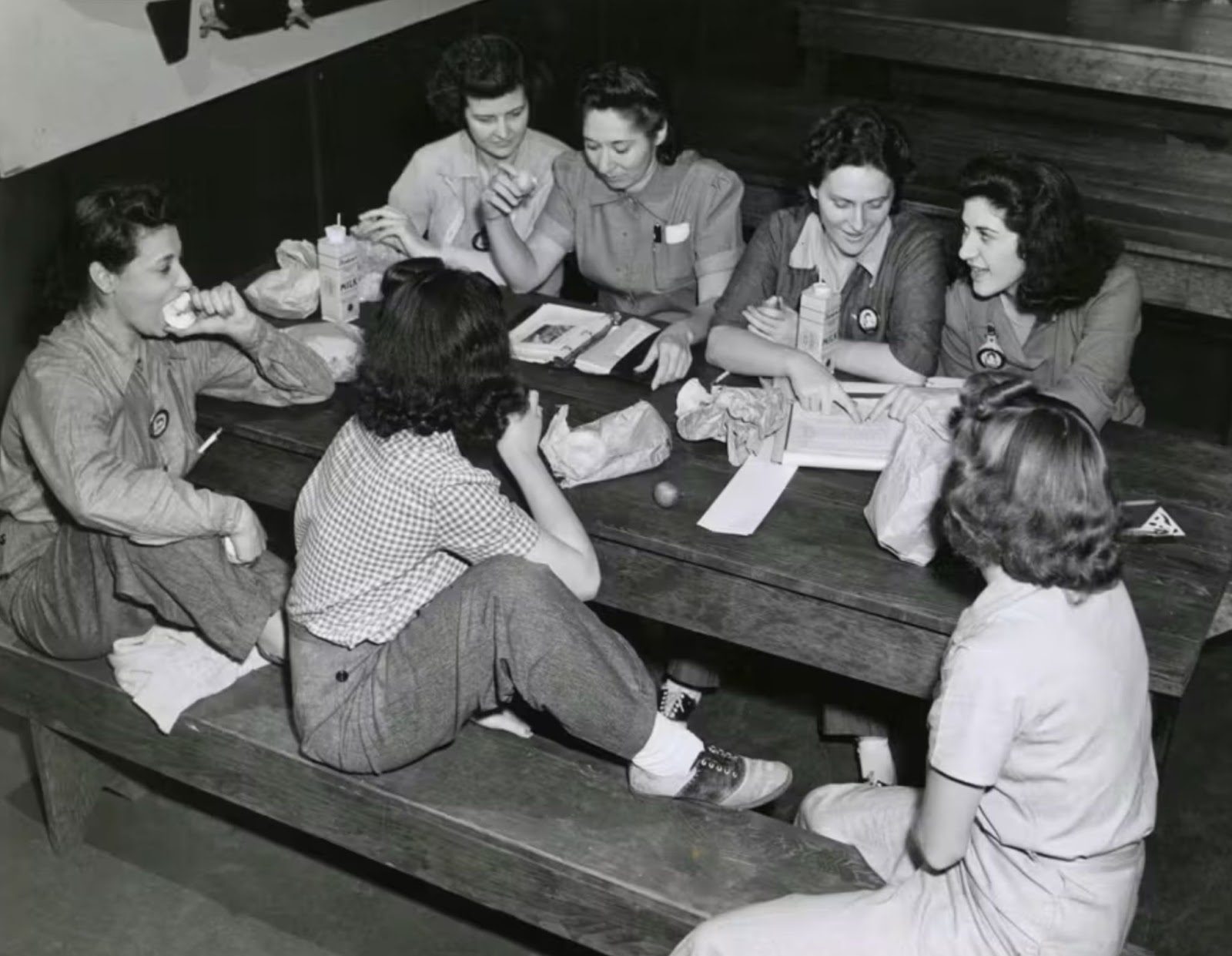
Before the United States entered World War II, the Brooklyn Navy Yard employed a small number of women in traditionally “female” roles. In this sense, the situation in Brooklyn was no different from the rest of the country.
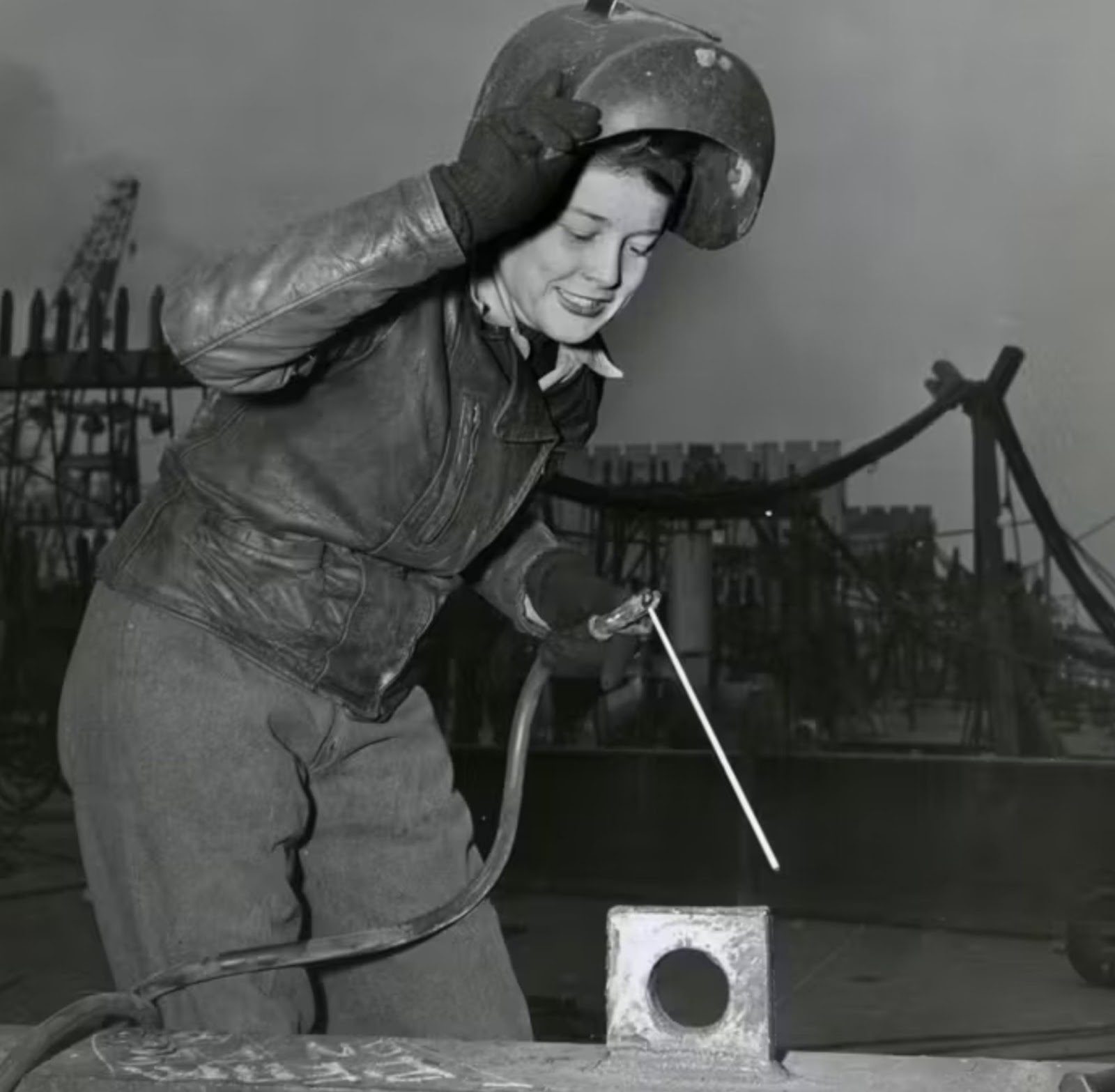
Women sewed flags or held clerical and administrative positions. But after Pearl Harbor, as men went to war, women became not only riveters but also welders, shipfitters, and mechanics. The role of women in male-dominated industries like shipbuilding became incredibly important during the war.
Of course, there were challenges, especially when it came to training and mastering a new trade. But as experience showed, women learned their new professions with surprising speed and skill, applying their boundless energy to help forge the foundations of the Allied naval victory.
As a result, the U.S. government began to recruit women aggressively. By 1945, the number of women working at the Brooklyn Navy Yard had skyrocketed from just over a hundred in traditional roles to over 5,000 in production, with another 3,000 to 4,000 women working as designers, drafters, and installers.
Ultimately, thousands of women built and repaired ships during World War II, and society had no choice but to accept these new roles for them.
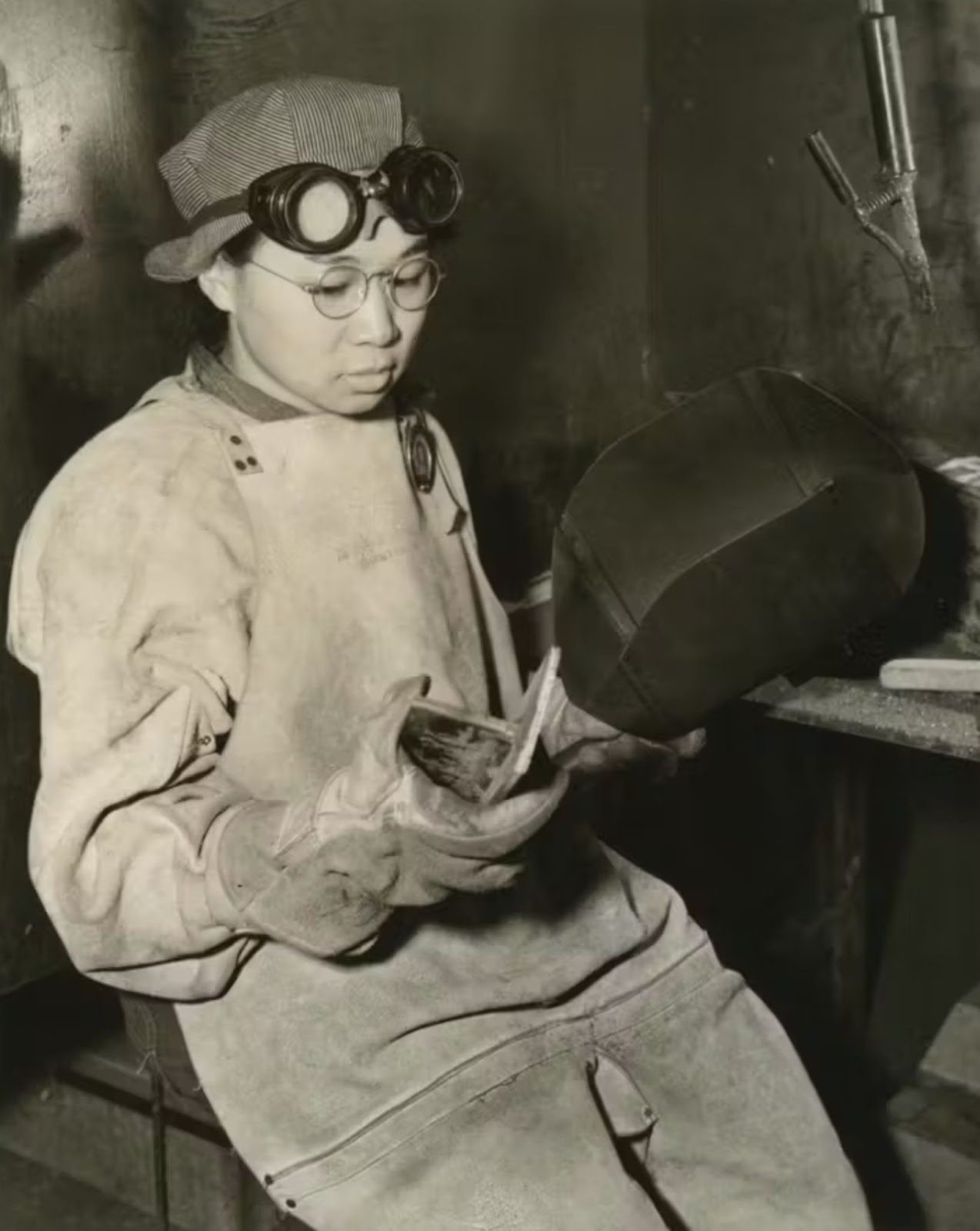
However, the picture was not entirely idealistic. Despite their immense contributions, women were still far from equal in the workplace. They often worked for half the pay and were not allowed on board the ships, as it was believed their presence would be too distracting for the sailors—in other words, “boys will be boys.” Instead, women performed their jobs in workshops on shore.
Within six months of V-J Day, all women working at the Brooklyn Navy Yard were laid off. Because of the government’s emergency wartime needs, women had been hired for “unclassified positions,” meaning they could be dismissed six months after the war ended. To be fair, many men hired during this period were also let go, but not all of them. The jobs that remained available in peacetime went to men.
It was understandable for the government to downsize its workforce after the war. But in a fit of what seemed like national amnesia, women found it difficult to land post-war jobs that used their newfound skills. To add insult to injury, they were ridiculed and once again deemed unfit for the very work they had so successfully performed from 1942 to 1945.
After the War
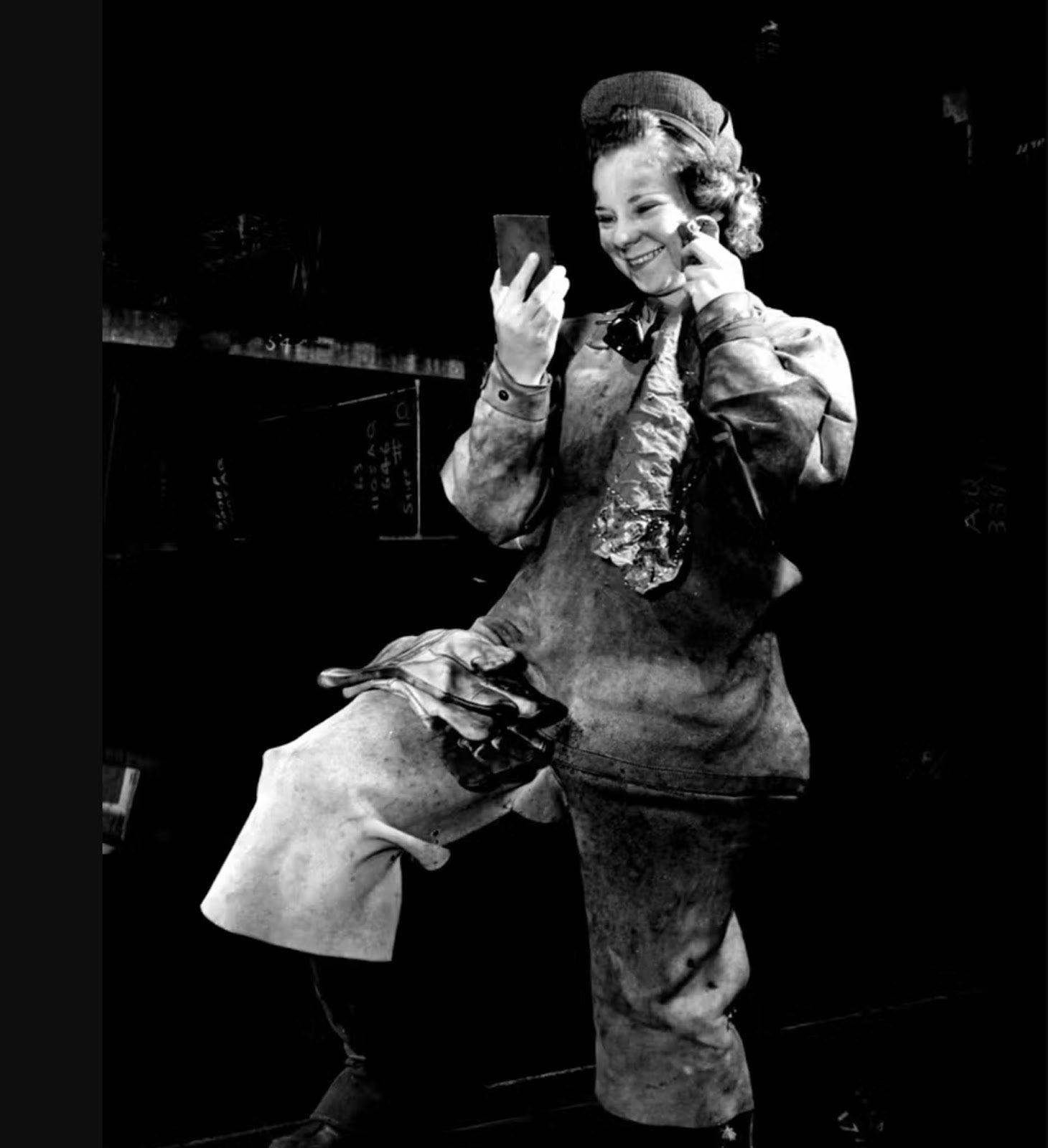
In the end, by 1945, the wartime shipbuilding effort had equipped the U.S. Navy with the fleet needed to achieve victory in both the Atlantic and Pacific. It is fair to say that women played a significant role in the work of the Brooklyn Navy Yard during the war.
However, after it was over, their time as shipbuilders came to an end. As production scaled down, more and more women were laid off, returning to their traditional professions and domestic roles. They left the docks and local shops, carrying their experiences with them into a peacetime world. Within two decades, these women and their daughters would spark a new women’s movement, fighting for the right of American women to join the workforce in any position they desired.
The bottom line: thousands of women built and repaired ships during World War II at the Brooklyn Navy Yard, and society, even if out of necessity, began to accept new professional roles for women.
Sources: