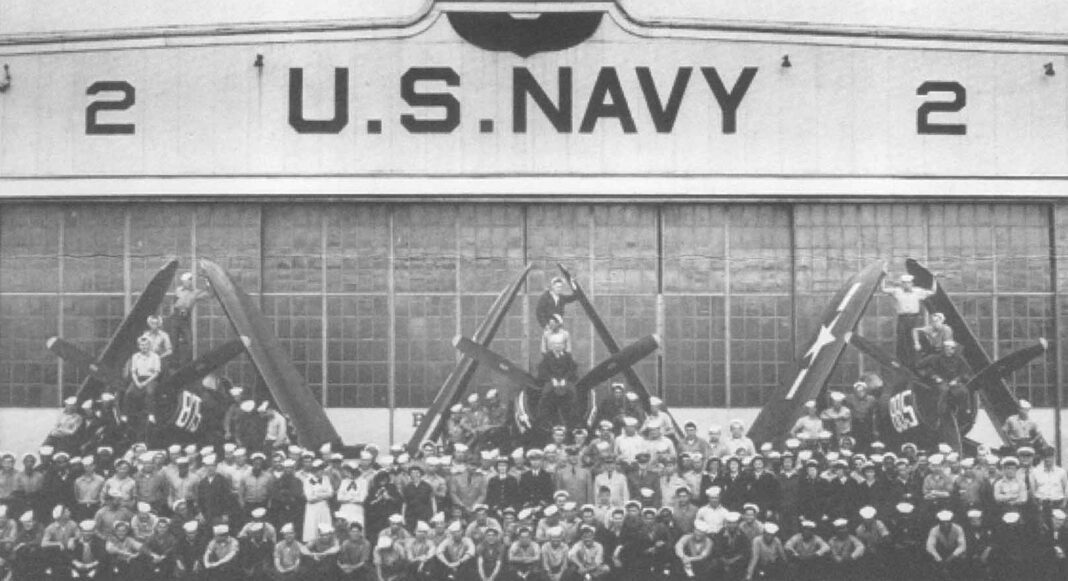

Floyd Bennett Field is an airfield in the Marine Park neighborhood of southeastern Brooklyn, New York, situated along the shore of Jamaica Bay. The airport initially handled commercial and general aviation flights before it was converted into a naval air station. To learn more about how the airfield was used during World War II and the contribution of its personnel to the Allied victory, visit brooklyn-yes.
Grand Opening
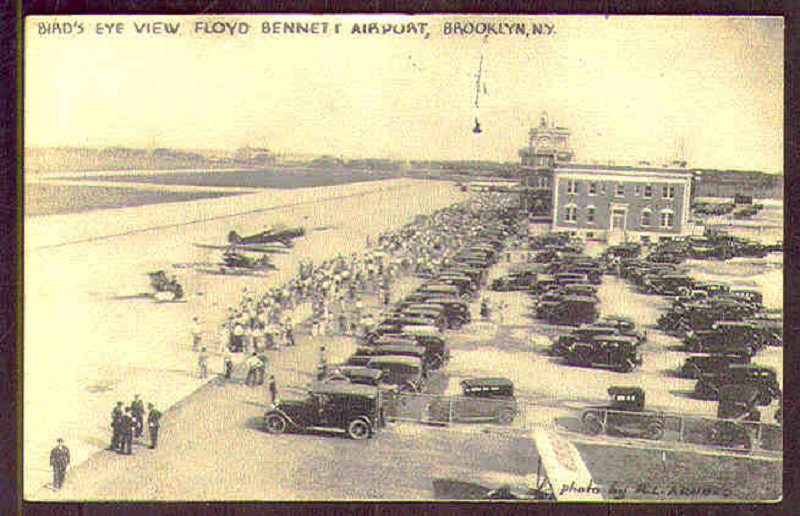
The airport’s dedication ceremony took place on June 26, 1930. A crowd of 25,000 guests attended the aerial demonstration, which was led by famed aviators Charles Lindbergh and Jimmy Doolittle. During the opening, a flotilla of 600 U.S. Army Air Corps planes circled high above the field.
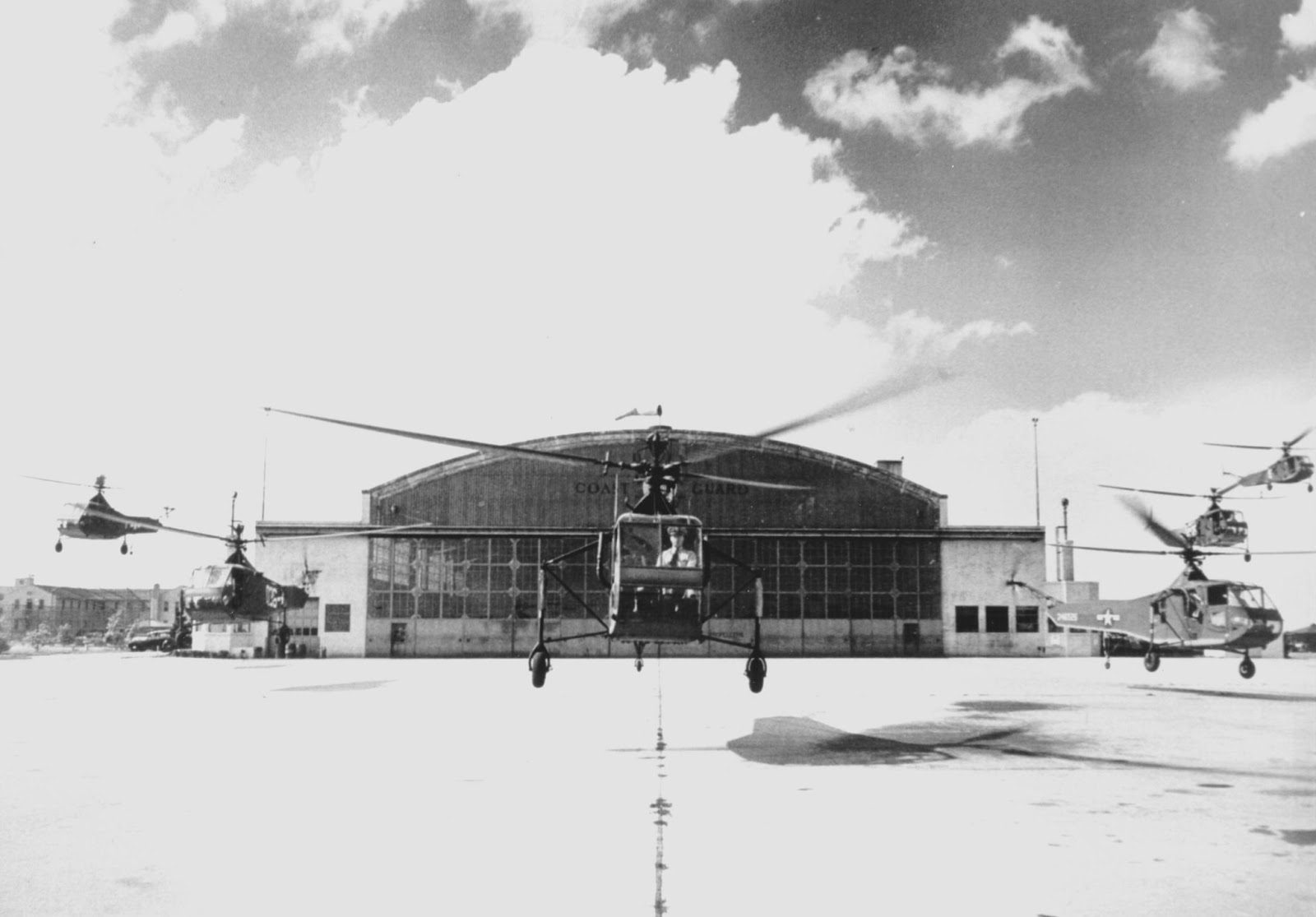
In the fall of 1941, the U.S. Navy decided that Floyd Bennett Field was the best location for its air station in New York. After the attack on Pearl Harbor on December 7, 1941, the Navy moved quickly to acquire the entire property and adjacent land. Artemus Gates, the Assistant Secretary of the Navy for Air, sent a letter to Mayor La Guardia stating the Navy was prepared to take control of Floyd Bennett Field for $9.75 million. This offer was significantly lower than the $15 million valuation the city already had, though it accounted for WPA improvements and existing military facilities. Nevertheless, on February 9, 1942, the Navy filed a “declaration of taking,” allowing it to acquire most of the desired land for $9.25 million. Most prior leases were terminated, but the Coast Guard was allowed to remain as long as its activities did not conflict with the Navy’s. This meant the NYPD’s Aviation Unit at Floyd Bennett Field was forced to relocate for the duration of the war.
Preparing for War
On December 17, 1941, the Navy awarded the first contract to upgrade Floyd Bennett Field. Rather than hiring outside contractors, the Navy’s own design department developed most of the expansion plans. Undeveloped land was graded to an elevation of 16 feet. As new aircraft required longer runways, one was built on the north side of the field, and the three existing runways were extended so that all four measured approximately 5,000 feet (1,500 m) long and 300 feet (91 m) wide. The Navy constructed a seaplane hangar and two seaplane ramps. Officer’s quarters were built on the east side of the airfield, along with mess halls and auditoriums. The Navy also filled in the northeastern portion of the former Barren Island. A new naval entrance was created on the south end of Floyd Bennett Field, and a blimp mooring station was installed on the field.
U.S. Naval Air Station
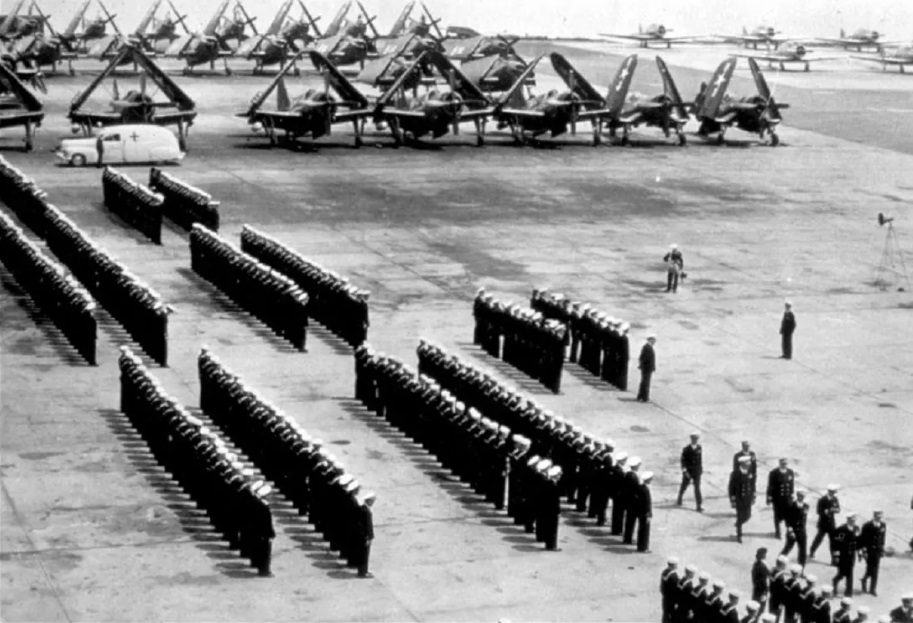
The upgrades allowed the newly designated Naval Air Station (NAS) New York to accommodate 6,500 military personnel at once. During the war, NAS New York hosted several U.S. Atlantic Fleet naval aviation units, including three land-based anti-submarine patrol squadrons, an observational reconnaissance unit, and two Naval Air Transport Service squadrons. NAS New York served as a training facility and a base where Navy vessels could load supplies and personnel. Aircraft from NAS New York also patrolled the Atlantic coast and engaged with German U-boats. Throughout the war, over 20,000 new aircraft were delivered here, and more than 46,000 aircraft movements were logged. Coast Guard Air Station (CGAS) Brooklyn operated alongside NAS New York, patrolling New York Harbor, testing equipment, training soldiers, and delivering supplies.
Floyd Bennett Field is now part of the Gateway National Recreation Area’s Jamaica Bay Unit and is managed by the National Park Service. It is no longer used as an operational airfield.