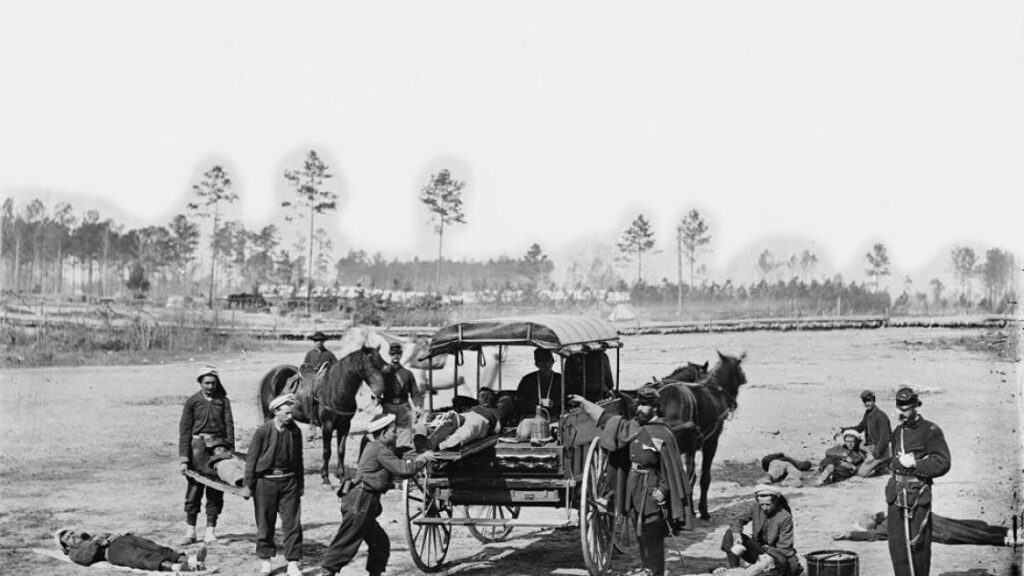

In the summer of 1776, while the Continental Congress was drafting, debating, and adopting the Declaration of Independence, the American troops, emboldened by victories in Boston and Newport, marched toward New York. Meanwhile, the British forces, gathering near Staten Island, could not afford another setback like their March retreat from Boston, nor the political consequences of a Pyrrhic victory. The colonists still had parliamentary supporters in Britain who considered the conflict pointless. King George III had also granted General William Howe and Admiral Richard Howe a dual role: serving as both military commanders and “peace commissioners”, empowered with both carrot and stick to either lure or coerce the colonies back into England’s fold. Read more about the lesser-known facts of the Battle of Brooklyn at brooklyn-yes.com.
The British Strategy: Carrot and Stick
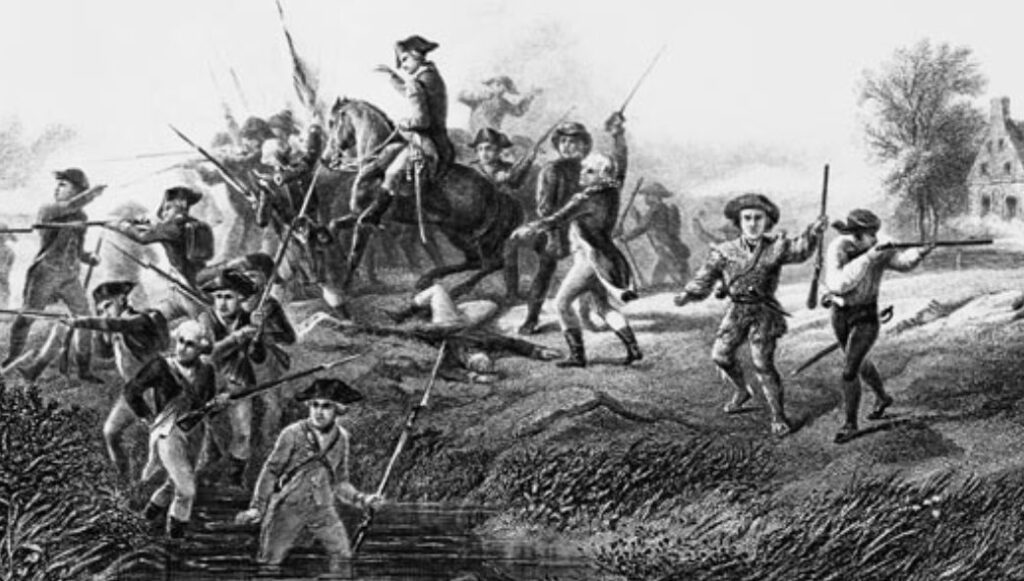
Achieving this victory posed a dilemma for General Howe. A direct amphibious assault on New York would have exposed his maneuvers to the American defenders. However, the rivers, cliffs, and marshes of New Jersey prevented a decisive flanking attack. The only viable option was to land on the sandy beaches of Long Island and advance on New York from the east.
British artillery, if positioned on the Brooklyn Heights, could intimidate or obliterate the city, which occupied the southern three miles of Manhattan Island. However, their path was blocked by a steep glacial moraine known as Prospect Range. Its rugged, forested slopes limited wagon access to Brooklyn Village, which was connected by four narrow passes: Gowanus, Flatbush, Bedford, and, five miles farther east, Jamaica Pass.
Meanwhile, General Charles Lee fortified the city, digging trenches, positioning batteries along the Manhattan waterfront, and placing guards at King’s Bridge over the Harlem River—the only land connection between Manhattan, Westchester County, and Connecticut.
A Difficult Decision
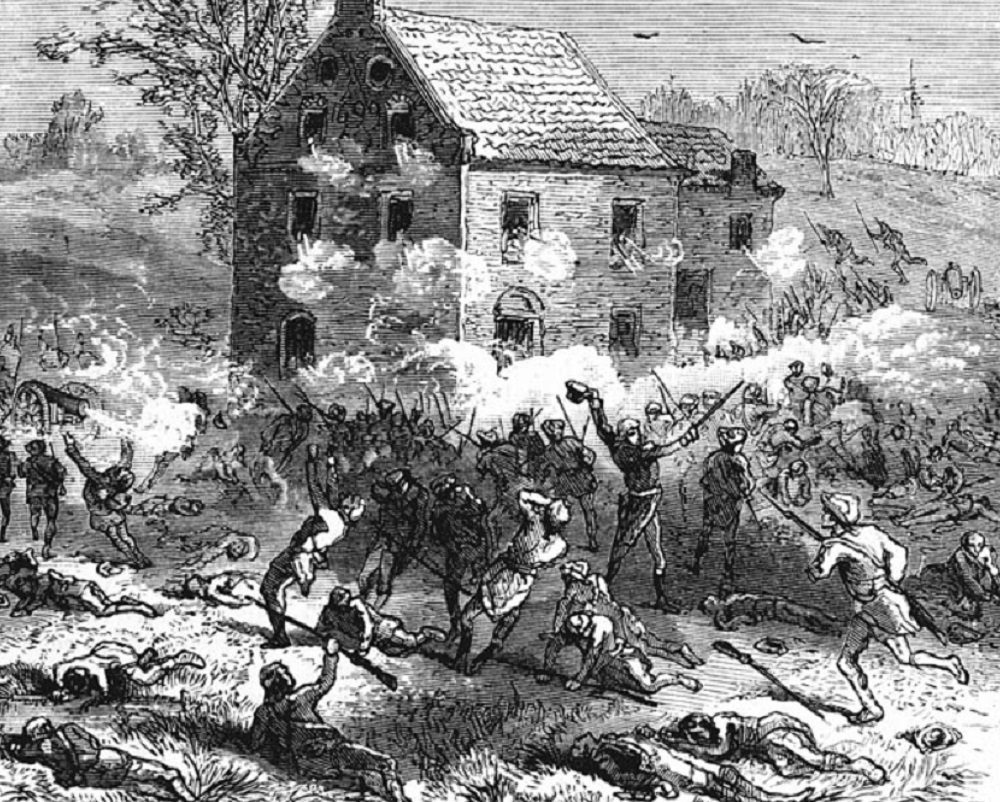
After inspecting the defensive lines and the exhausted defenders, General Thomas Mifflin of Pennsylvania informed Washington that their position could not withstand a concentrated assault. In addition to a siege, the British fleet anchored nine miles away in Pelham Bay posed a direct threat to King’s Bridge, the only retreat route from Manhattan.
During a war council on August 29, six of Washington’s seven generals urged an immediate withdrawal. Washington finally agreed, realizing that New York’s only hope rested in preserving the Continental Army intact.
Yet Washington concealed the retreat. On August 29 at 7:00 p.m., his troops were ordered to assemble in their camps with their muskets and gear, awaiting further instructions. That morning, every floating vessel capable of holding sail or oars was seized and brought to Brooklyn. General Mifflin volunteered to command the rear guard, and the withdrawal began at 8:00 p.m. under cover of darkness.
General Alexander MacDougall was deeply pessimistic about the entire operation. Perhaps he was discouraged from the start, as while elite troops held the trenches, MacDougall had to coordinate the retreat of demoralized and undisciplined stragglers.
On the East River shore, baggage, ammunition, and artillery were ferried first to New York. Despite strict orders to remain silent, nervous soldiers began reacting to the looming British ships emerging from the darkness. Colonel Israel Hand witnessed panic spreading on a ferry, as terrified troops crowded the embarkation point near Sands Street. Colonel Nicholas Fish, one of Washington’s aides, raised a rock over his head, threatening to sink the overloaded boat and discipline the panicked troops if order was not restored. Some tried to push forward, but most held their positions, following the withdrawal plan in an orderly fashion.
Observing the retreat, Tory supporter Mrs. Rapalje, awaiting the British, sent her enslaved servant to inform them that the American army was fleeing. Fortunately for Washington, the Hessian mercenaries who intercepted the messenger did not understand his Brooklyn colonial accent and, suspecting him of being a spy, arrested him.
The Army Is Saved
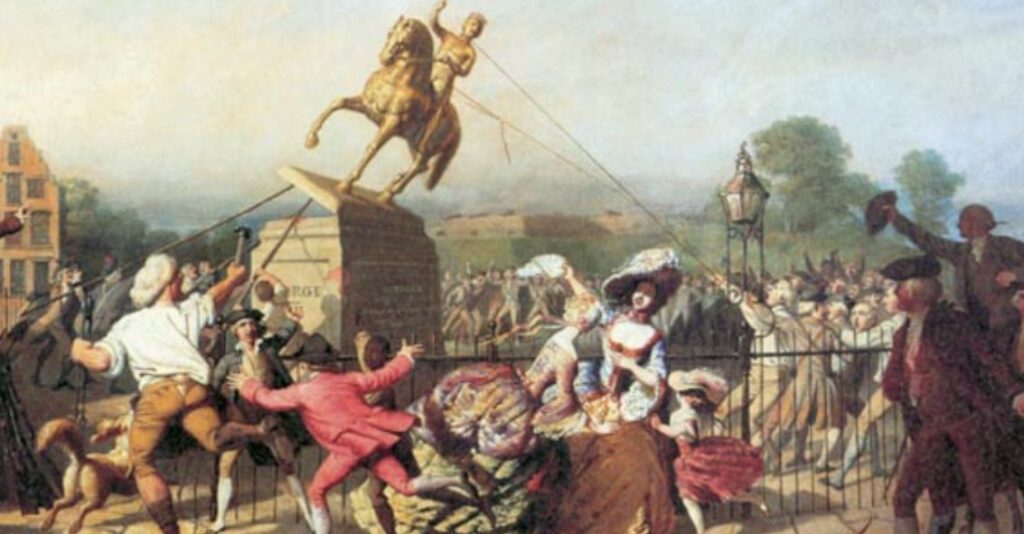
A torrential downpour combined with a strong northeast wind muffled the sounds of the evacuation. However, it also prevented the use of sloops and sailboats, making the operation even more difficult. Rowboats, flat-bottomed scows, whaleboats, and pettiaugers propelled by oars managed to navigate the turbulent waters, though it was an arduous task.
By a stroke of luck, the wind shifted from the southeast, allowing the Brooklyn Heights to be well-ventilated and the waters to calm. This allowed the entire fleet to operate efficiently, often loading troops and equipment to within an inch of the waterline. These boats ferried soldiers back and forth over ten times.
By 10:00 p.m., more and more troops were safely landing on Manhattan’s shores.
Meanwhile, the British began suspecting something only at 7:00 a.m., confirming their suspicions at 8:30 a.m., when General James Robertson led a detachment into the now-abandoned fortifications. The British found only a few sunken cannons in the mud and three stragglers who had stayed behind to loot the baggage.
Washington, who had barely left his horse and had not slept for the past 48 hours, was among the last to cross the East River, ensuring his army’s survival and escape from total annihilation.