
Life is a wonderful and unexpected thing, which can turn your path in any direction. That’s what happened to Richard Stone. He couldn’t imagine that his whole life would be connected with politics that would take him far from his native shores. Learn more about the life of this diplomat, senator and politician from Brooklyn at brooklyn-yes.com.
From north to south
Richard Bernard Stone was born in Brooklyn in 1928. However, he didn’t spend a lot of time in his native borough, as his whole family moved to Miami when he was very young. His school years passed under the scorching Florida sun. He returned to his hometown as an adult. Having graduated from Harvard University, Stone entered Columbia Law School in New York.
At the beginning of his educational journey, he studied art and even got a bachelor’s degree in that sphere. However, then he switched to jurisprudence, which he liked more. Unfortunately, Stone didn’t like living in “The Big Apple”, so, after graduation, he returned to Miami and started his law practice as well as his political career there. From 1967 to 1970, he was a member of the Florida Senate and then he became Secretary of that state.
Political career
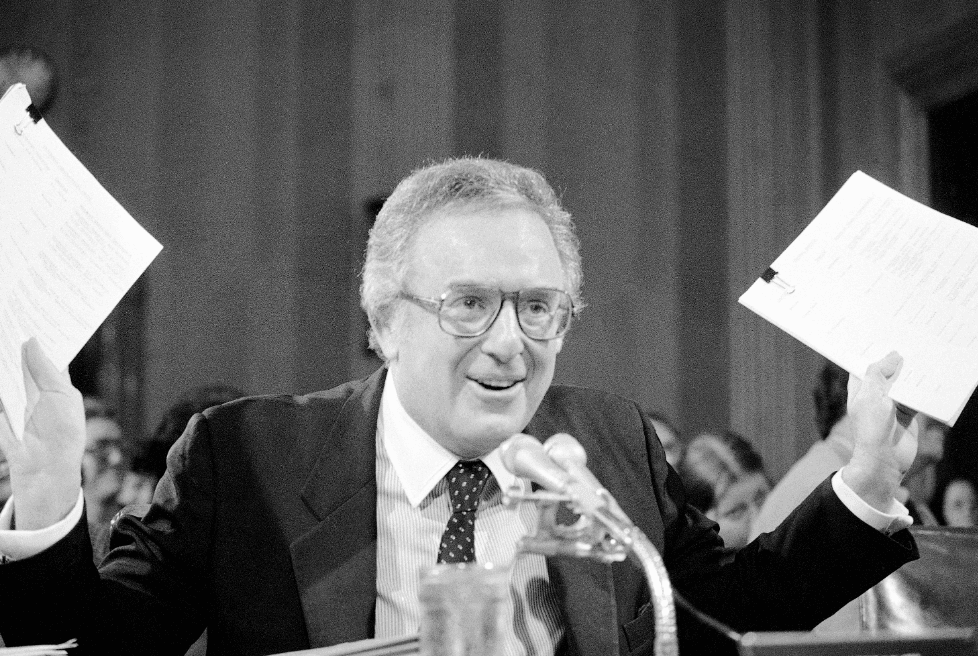
In 1974, Stone decided to become a US Senator, representing the State of Florida. He managed to defeat and bypass the rather influential Republican Jack Eckerd with only a 2% margin.
During his tenure as a Senator, he was actively involved in the issues of migrants and American international relations with neighboring countries. The problem of migrants from Cuba has always been acute in Florida. He contributed to the allocation of financial support to refugees and wanted to establish rights for ethnic Cubans. His attitude and empathy for their problems were influenced by the time he spent in Miami.
In addition to supporting the Cubans, he was also involved in Middle East policy. He was even the head of the related subcommittee. Many people didn’t like Stone’s active position regarding migrants and the Middle East. So, in the next elections to the Senate, Stone wasn’t elected, although he didn’t change his political views. He clearly understood the challenges and tried to solve them.
Far away from the homeland
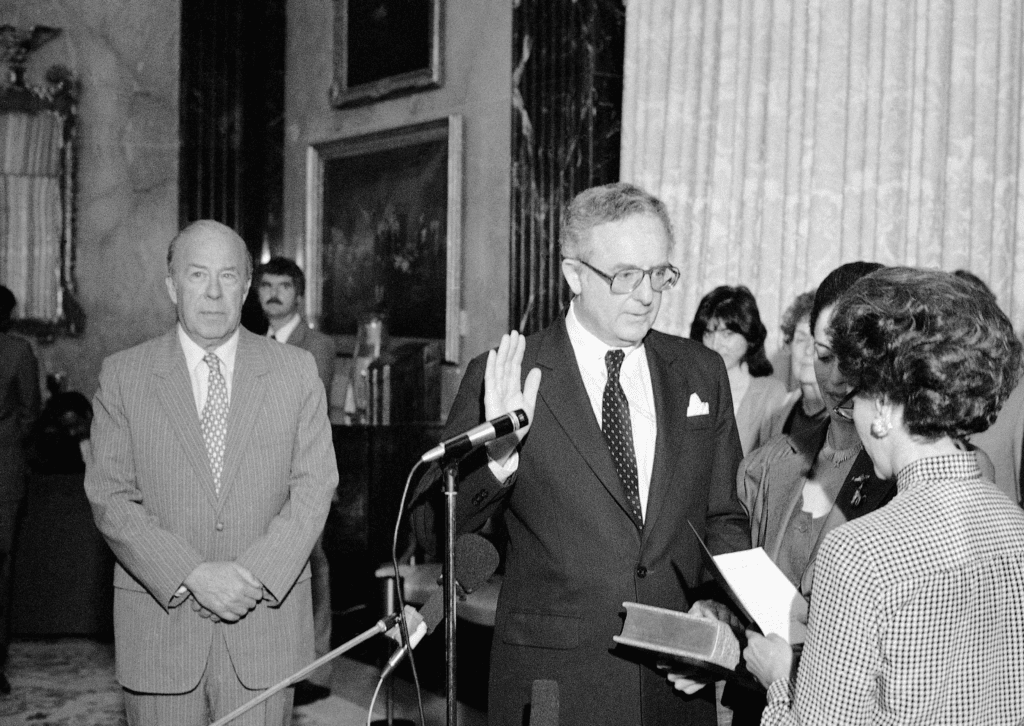
In 1983, the former US President, Ronald Reagan, appointed Richard Stone as Ambassador Extraordinary and Plenipotentiary to Central America. He had to represent not only the state but also the president. His main goal was to establish relations with Central American countries. A civil war has been taking place in El Salvador since 1979. Its main opposing forces were the country’s government and a communist partisan movement. El Salvador’s authority was supported by the USA, Guatemala, Honduras, Chile, Mexico, Brazil and others. The partisans were supported by Nicaragua, the USSR, Cuba, China and others. The USA against the USSR as usual.
The USA was actively involved and tried to settle the conflict and peace in the neighboring country. The long-awaited truce came in 1992. Opponents reached a consensus, which meant the dissolution of armed partisan formations and army reduction as well as police reorganization on the other hand. 75,000 people have fallen victim to that conflict.
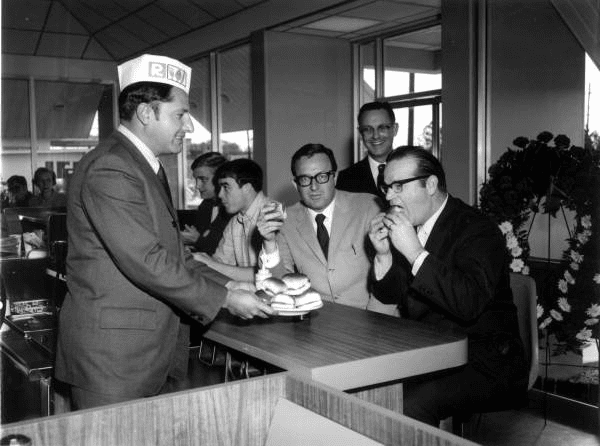
Despite Stone’s interest in the Central American countries, he was an ambassador there for only a year. He received a new ambassadorship only in 1991 when George W. Bush announced his decision to appoint Stone to the same position in Denmark. He started fulfilling his duties in 1992 and worked until 1993.
Richard Stone passed away in 2019. The funeral ceremony was held at King David Memorial Gardens in Fairfax County, Virginia, again far from his hometown.