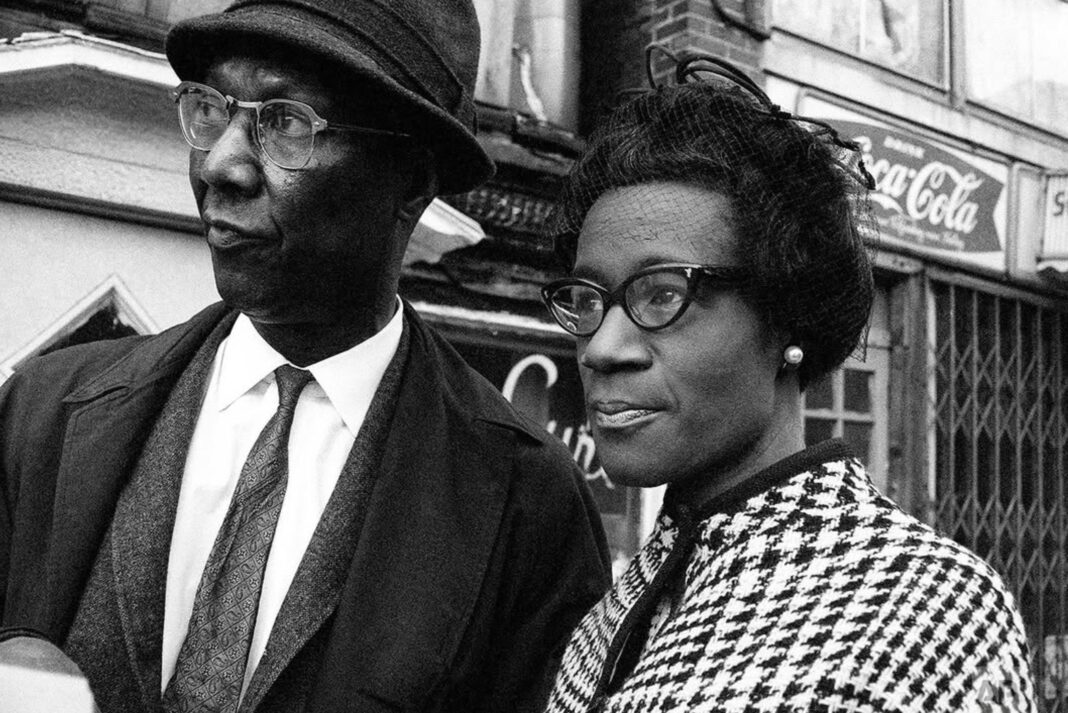

In 1953, Wesley McDonald Holder, an advisor in the Brooklyn District Attorney’s office, decided to get involved in the borough’s Democratic Party organization and manage the campaign of an opposition candidate for the municipal court. That candidate was Lewis S. Flagg Jr. He won, becoming the first Black judge elected in Brooklyn. Mr. Holder went on to organize a series of successful campaigns, breaking some traditions along the way and becoming a kingmaker for Black politicians in Brooklyn. Read more about the rise of the Democratic Party in Brooklyn at brooklyn-yes.com.
Black Politics in Brooklyn
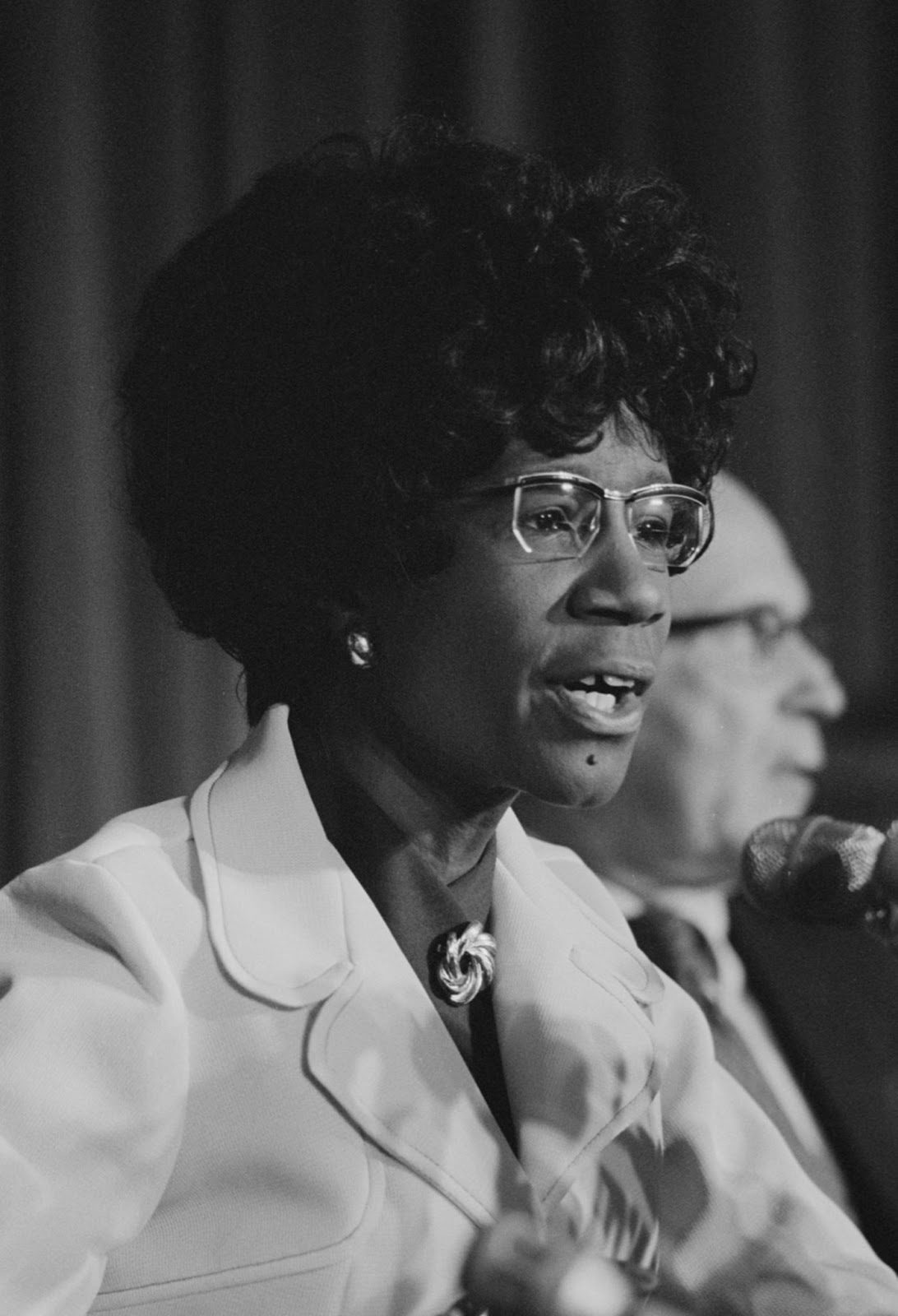
Today, Mr. Holder, a Black man known as “Mac,” is considered the mastermind behind the victories of Black members of various assemblies, a state senator, city council members, Civil and State Supreme Court judges, and Congresswoman Shirley Chisholm, a Democrat from Brooklyn.
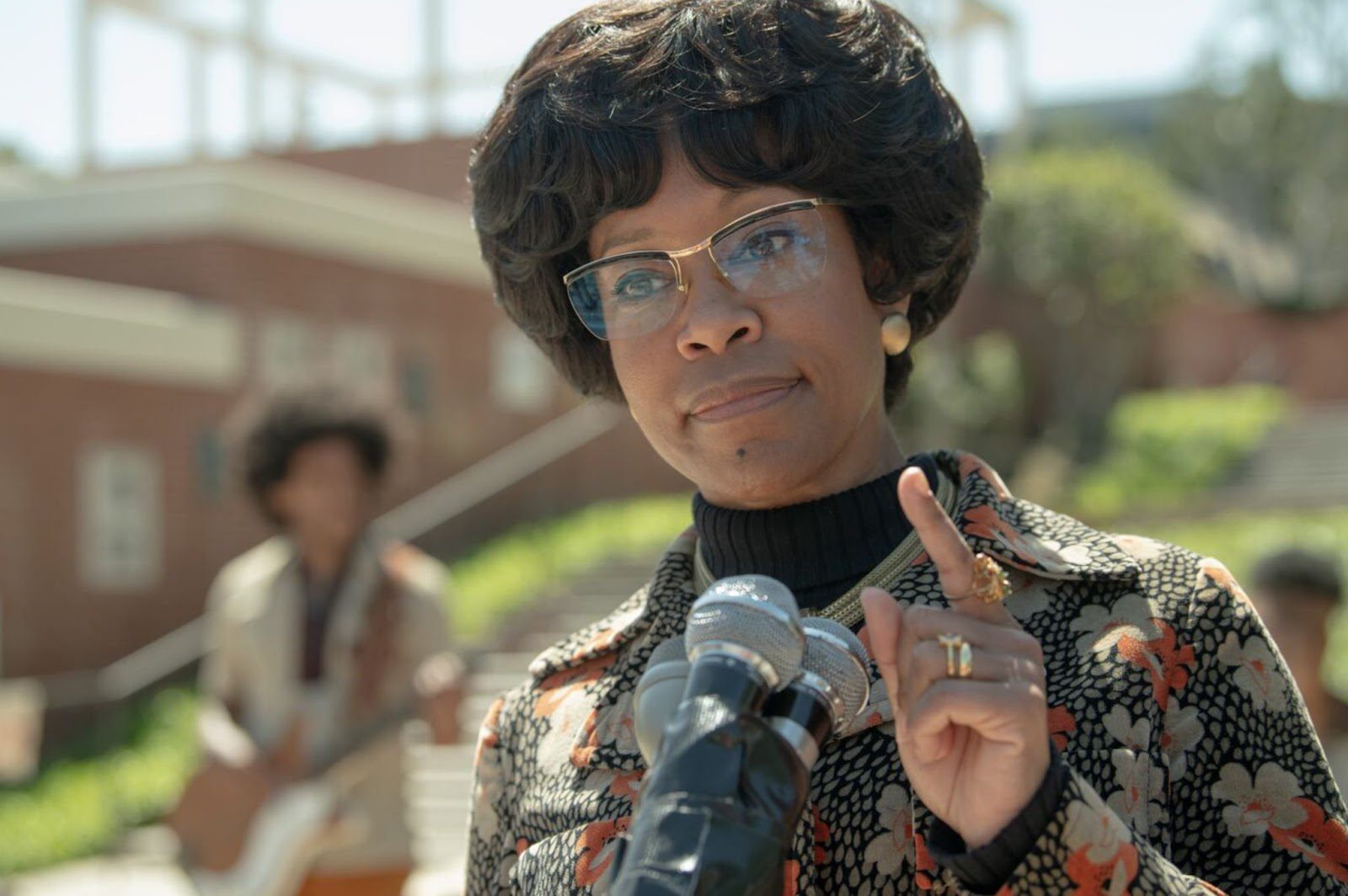
He managed Mrs. Chisholm’s Brooklyn office for 14 years, ever since he ran the campaign that resulted in her becoming the first Black woman elected to Congress.
Mrs. Chisholm, a renowned Democratic politician, once said that a man like “Mac” Holder comes along only once in a lifetime. “The clock and time meant nothing to him,” Shirley recounted, “especially when he was involved in a political campaign.” She stated that he was responsible for “watching her back” for the many years she was in Washington, implying that Mr. Holder could always be relied upon. The politician also directly stated that her success could, in many ways, be credited to him.
And even after Mrs. Chisholm retired, Mr. Holder said that he would leave politics only when “they let me,” a phrase he delivered with the noticeable accent of his native Guyana.
He wasn’t wrong, judging by the line of political candidates at his door each day and the numerous phone calls he received daily from incumbents and challengers alike.
Assemblyman Roger L. Green, a Brooklyn Democrat, once joked that he called him the “cunning mongoose.” It was Mr. Holder who helped Green win a tough primary fight in 1980. Holder possessed a deep knowledge of Black politics in Brooklyn. It’s no wonder so many people sought him out; he was a fountain of knowledge, and everyone wanted his advice and guidance.
Mr. “Mac” Holder
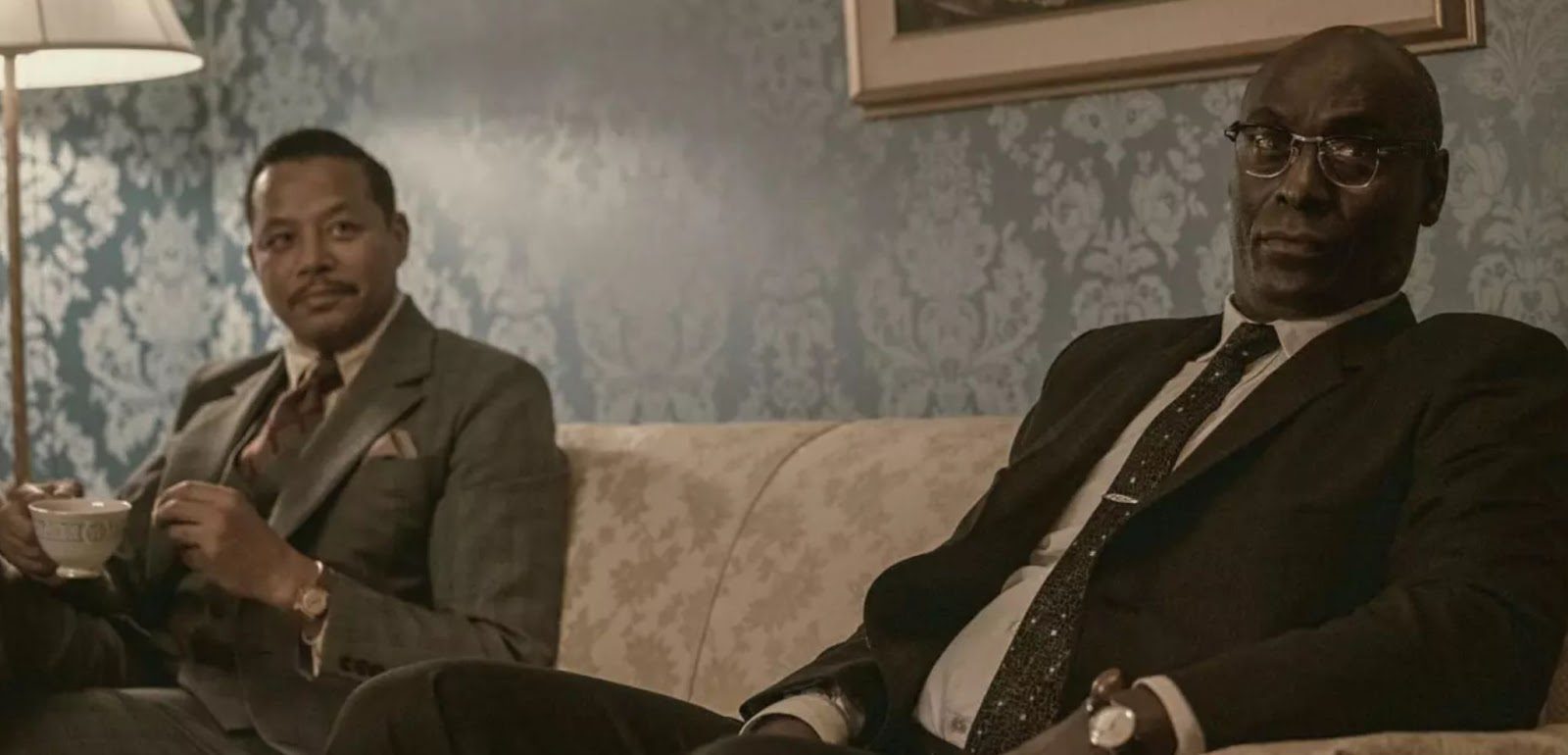
Mr. Holder, a bespectacled man with a straight posture, arrived in New York in 1920 to join the movement of Marcus Garvey, who promoted self-determination among Black people and called for them to establish their own country in Africa. Mr. Holder organized African Americans across the country and was jailed in Miami for speaking out publicly against the Ku Klux Klan. A similar speech he delivered, this time in Arkansas, led to his arrest for disorderly conduct.
He recalled asking for a lawyer. “They told me the nearest place I could get one was a town in Oklahoma,” he said. So “Mac” tried to defend himself. In the end, he was fined $5. His first campaign was a failure.
Later, his first attempt at managing a political campaign in the mid-1930s also ended in defeat. His candidate at the time, Samuel Leibowitz, was running for Brooklyn District Attorney and was the lead attorney in the famous “Scottsboro Boys” case, in which nine young Black men were accused of raping two white women.
But victory was more often the rule than the exception for him—except, perhaps, when it came to Mr. Holder’s own attempts to hold public office. During one of his own campaigns, a severe case of chickenpox prevented him from campaigning and confined him to his bed until Election Day.
Mr. Holder always believed that Black people could control Brooklyn politics if they overcame their “petty differences.” Once, while opening his office door to several eager political hopefuls who had come for advice, he added that he had a pacemaker since 1979 but still kept the same pace as in his younger years. Mr. Holder was determined to continue his work despite his health, as politics was his life.
Reforming the Brooklyn Democratic Party
A lot has changed since then. Priorities in politics have shifted, new people have emerged, and political technologies have evolved. The time has come for reform in some political bodies, such as the Kings County Democratic County Committee, which is the organizing body of the Brooklyn Democratic Party.
With approximately 4,500 seats, this committee represents the Democrats of Brooklyn. Its membership includes individuals from every neighborhood in the borough. It plays a significant role in shaping Brooklyn’s political landscape, such as by nominating judges and candidates in special elections.
The County Committee has failed to function as an active, deliberative, and representative body. Its leadership, the Executive Committee, has deprived members of meaningful opportunities to debate or vote on party matters and to participate in functional standing committees, thereby preventing them from taking on a substantial role in their party’s activities.
Currently, the Kings County Democratic County Committee does not adhere to many of its own rules, especially those intended to help it function in a more transparent and inclusive manner. For example, the county party’s website has no instructions on how to run for the committee, and required standing committees have not been formed. The Executive Committee often changes the rules of the County Committee without prior notice to its members.
The party must abide by its own rules, which are adopted by all its organizational bodies and filed with the State Board of Elections. The reform of the Kings County Democratic County Committee is timely and appropriate. The committee can adapt to operate more democratically and meet the desire of Brooklyn Democrats for meaningful participation.
Scandal Following Published Reports
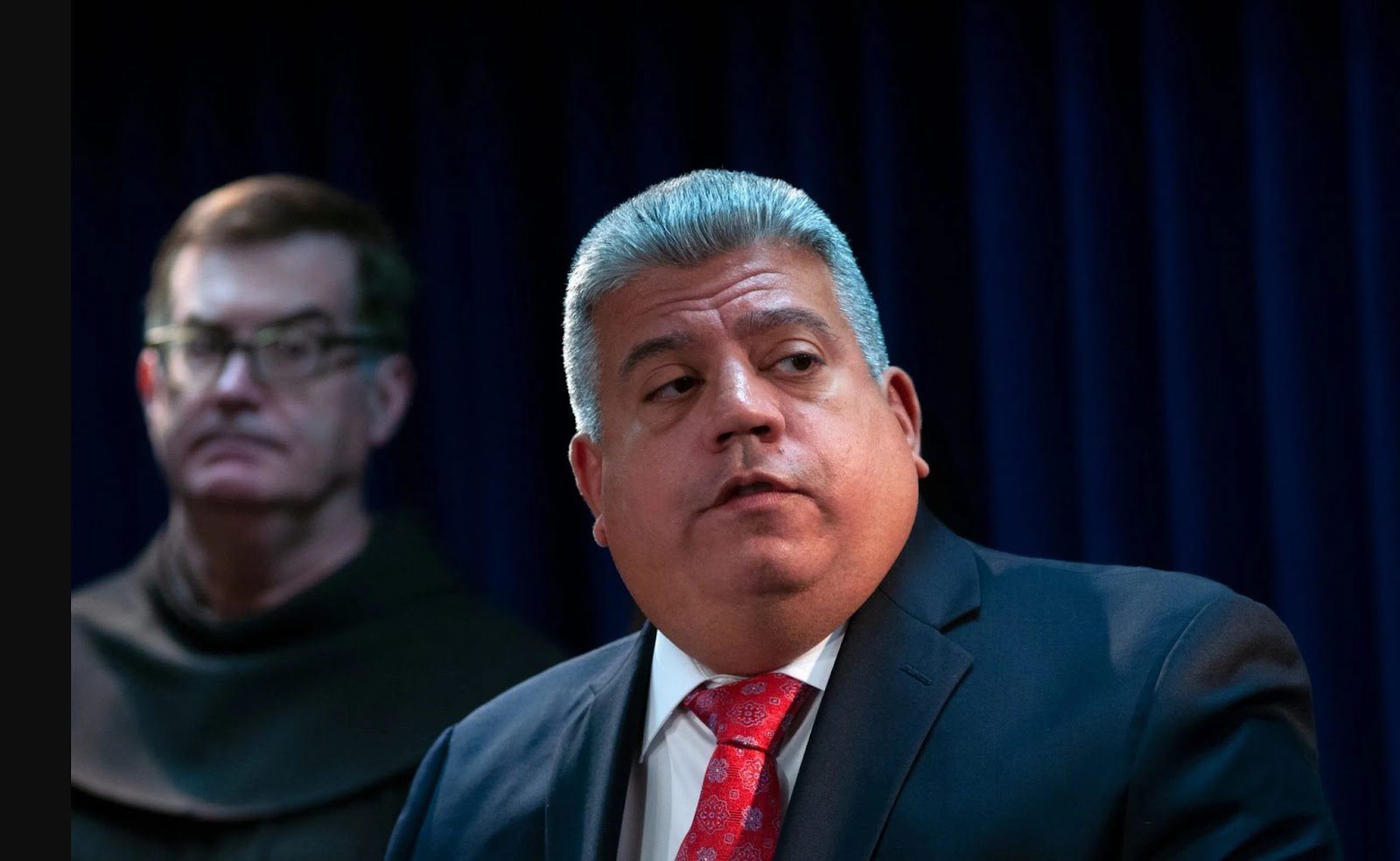
For now, however, a 2023 scandal comes to mind, in which the Brooklyn District Attorney investigated allegations of forgery and favoritism within the borough’s Democratic Party. To recap, a series published in the press uncovered several forged documents submitted to the city’s Board of Elections, linked to the party’s executive director. The documents included the signatures of five individuals who later said they had no idea their names were being used.
The DA’s office also investigated separate claims from a Brooklyn resident who alleged that establishment-backed party leaders made paid poll worker jobs conditional on volunteer work or political loyalty.
The investigation was prompted by the initial articles and put District Attorney Eric Gonzalez in the unusual position of officially investigating high-ranking officials within his own party’s county organization. However, as the investigations were ongoing, no charges of wrongdoing were filed against anyone at the time.
At the time, good government watchdogs welcomed the development. They hoped the investigation would be brought to a logical conclusion and that charges would eventually be filed.