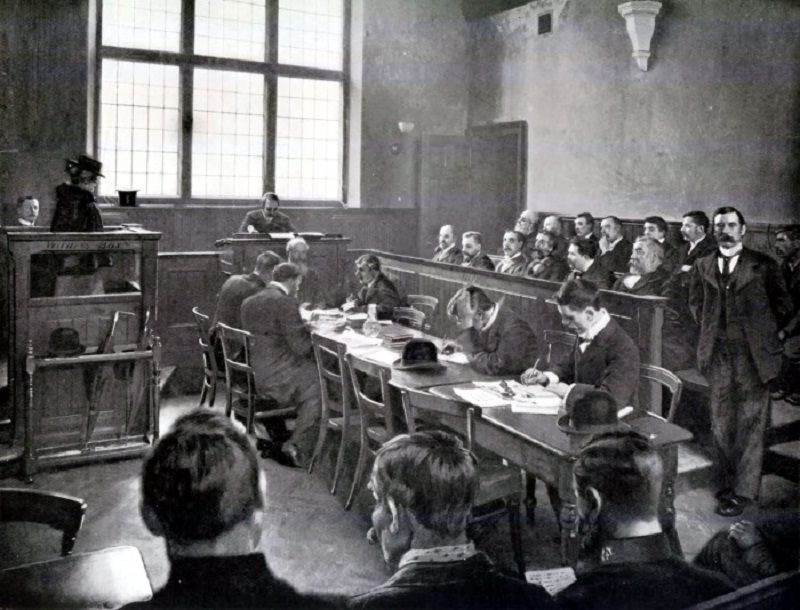

At the time when Brooklyn was an independent city, it had a mayoral institition. The last mayor of the township was Frederick W. Wurster. He was elected in 1896 and lost his job when Brooklyn became part of Greater New York on January 1, 1898. Like most post-Civil War officials, the mayor was a Republican. Read more about what Wurster was remembered for while leaving the office at brooklyn-yes.
Transition period
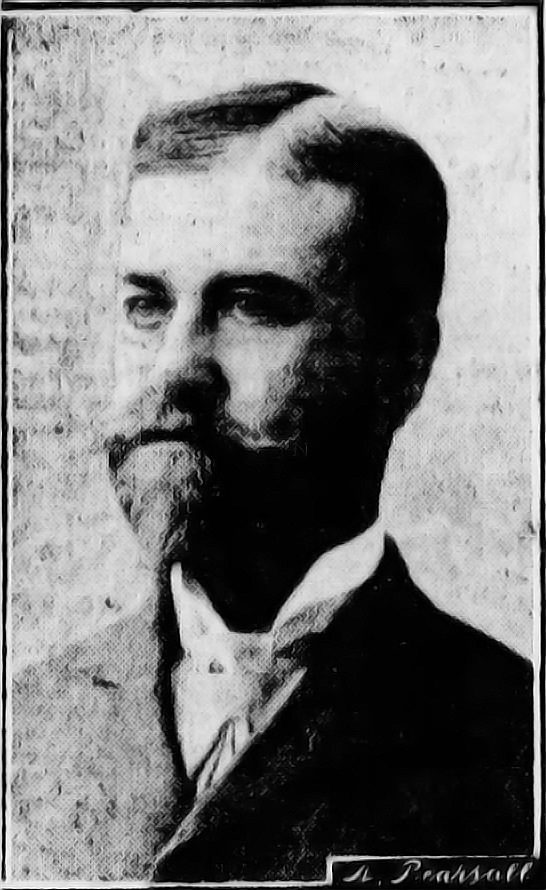
By all outward signs, Wurster was a decent mayor. Before holding an office, he was successfully engaged in business and was a banker. The mayor of Brooklyn was adamant against Consolidation, but after the voting, he realized that it would definitely happen. Being conservative and vehemently opposed to city funds spending, he addressed issues as they arose. His management was no different from any other mayor. City institutions were full of political appointees, bureaucrats, reformers, honest employees, and, as it turned out, quite a few swindlers.
It all started during the transfer of business of the New York administration. The district attorney attempted to dispense with corruption at all levels of the city government so that the merger process would start with a clean slate. However, to their dismay, investigators began to uncover corrupt practices all over the place.
Corruption in front of the public
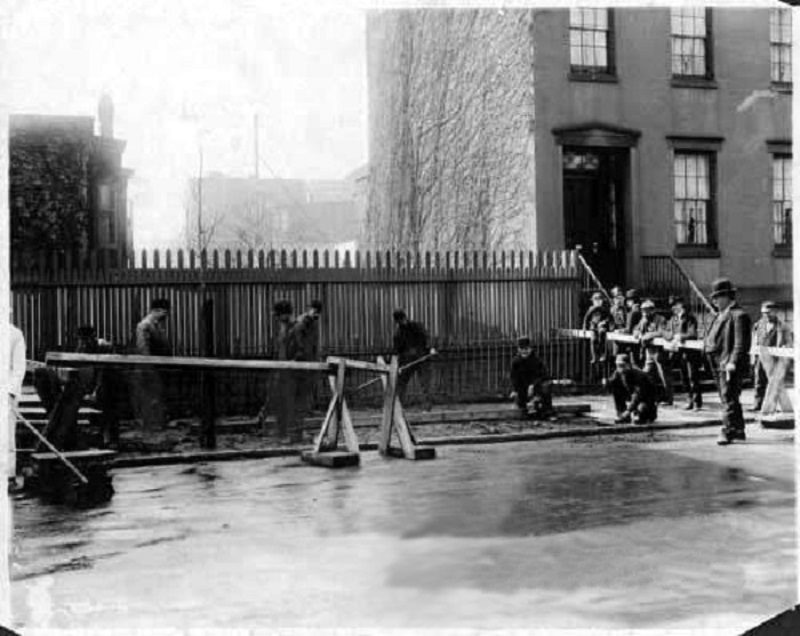
The district attorney’s office conducted a thorough investigation and discovered a vast network of fraud and corruption flourishing in the old administration of former mayor Wurster. At one point, all departments, including the Board of Audits, the Controller’s Office and the Board of Aldermen, the predecessor of the City Council, were under investigation. Other departments of the city government were also searched.
The Brooklyn Eagle published several articles on the subject. They were completely shocked by the corruption that was happening right in front of the public. The grand jury indicted 14 individuals from the Department of City Works. Former department commissioners Theodore Willis and William E. Phillips faced the most serious charge – defrauding conspiracy. The rest were accused of bribery, falsification of accounts and work, conspiration and false auditing.
In the interview with journalists, both Willis and Phillips said that they were innocent and indignant. After all the years of their service in Brooklyn, being accused of something was beyond their comprehension. The men put up bail of $5,000 and were released.
Court proceedings
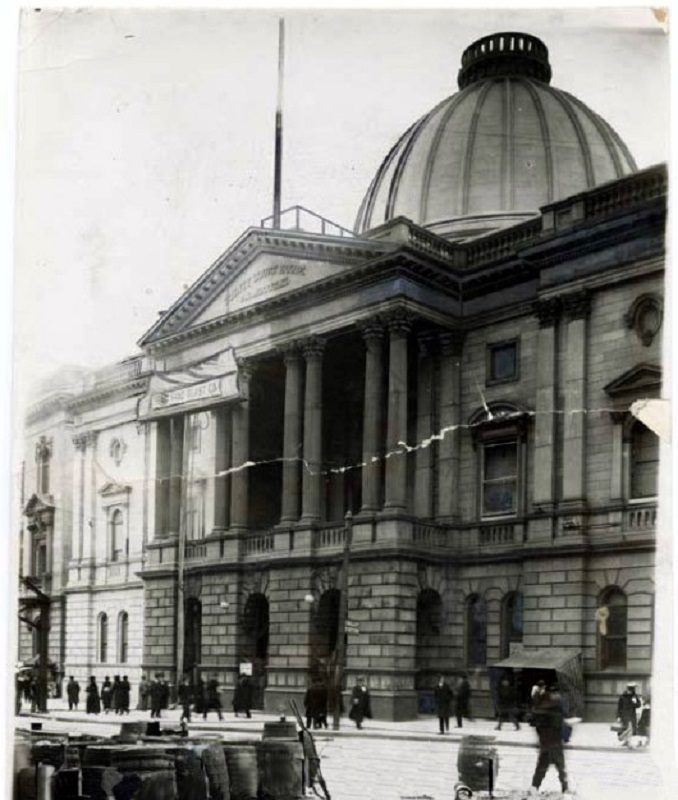
The case of Phillips revolved around an emergency fund designated for bridge repairs. All of the funds’ contracts were given to contractors without bidding, just like all other city works that were awarded to a single firm.
This company was managed by father and son Daniel and Daniel F. Doody. They were the ones who received no-bid contracts and charged the city an inflated fee for the work. They then paid kickbacks to the accused. Having gained immunity, the Doody testified before the grand jury and qualified as key witnesses in court.
Instead of starting from the top, prosecutors focused on subordinates. They hoped they would provide information that would help their bosses get caught. Robert R. Fielding, the former deputy commissioner of City Works, was the first one to be found guilty. He was convicted of misinvoicing. In court, it was proven that he “borrowed” money from Doody for the down payment on his house on 8th Avenue in Park Slope.
The district attorney believed he would dig up a series of criminal records for some of the most influential former commissioners in Brooklyn and their top-tier staff. Unfortunately, Daniel Doody turned out to be a nightmare for him. He repeatedly lied in court. No one believed a single word he said. Fielding’s case, as well as other ones, were ultimately closed.