
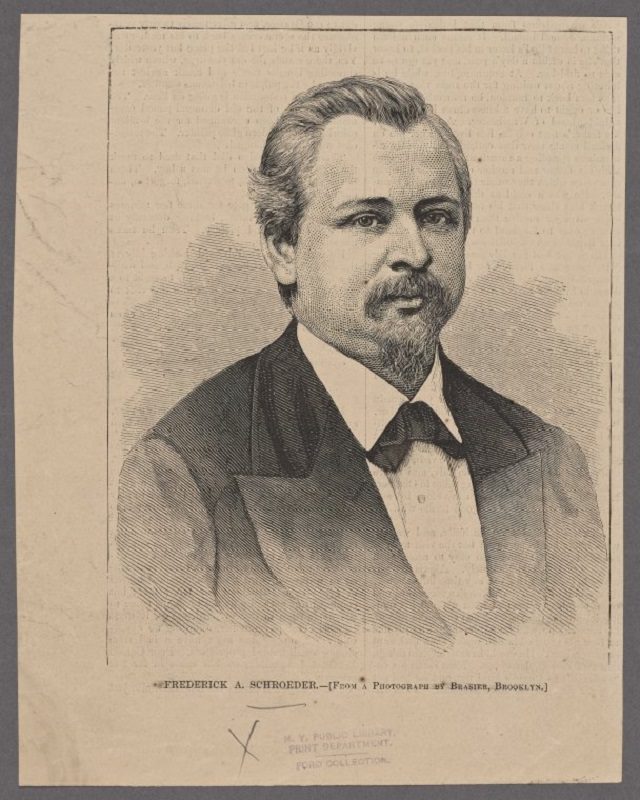
When his term in the Senate was over, he left politics forever. The Republican Party attempted to nominate him for the positions of Mayor of Brooklyn, Governor of New York, and, after consolidation, Mayor of Greater New York several times. Nonetheless, he declined the proposal, although, in 1896, Seth Low was ready to withdraw his candidacy for the Citizens Union if the man were to run for mayor of NY. We are talking about Frederick A. Schroeder, who served as the Mayor of Brooklyn. Read more about the American industrialist and politician of German origin at brooklyn-yes.
Immigrant from the Kingdom of Prussia
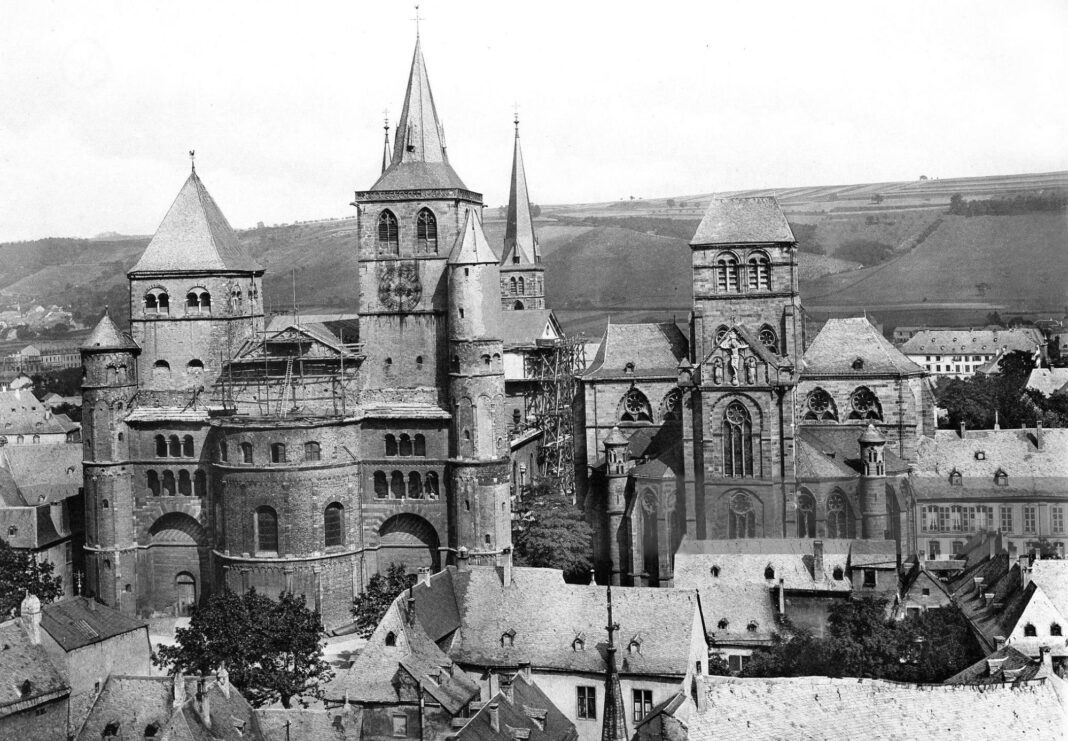
Frederick A. Schroeder was born in Trier, the Kingdom of Prussia, in 1833. His father, Michael Schroeder, was a merchant who later worked as a surveyor. From 1841, Schroeder studied at the Friedrich-Wilhelm Gymnasium in Trier. It is one of the oldest secondary education institutions in Germany. Schroeder had poor performance in school, so he dropped out in 1848. In the same year, he lost his mother, Salome. A year later, he left Trier with his dad and two sisters and went to the United States. The eldest brother of Frederick stayed in Germany but joined the rest of the family after a few years. The family’s decision to leave the country was likely influenced by the events of the 1848 revolution. Michael Schroeder seemed to have a pro-democracy position. The family came to the United States on May 10, 1849 and settled in Brooklyn.
Opening of own company
In 1852, Schroeder established his own tobacco factory. In 1867, the Schroeder & Bon firm shifted its focus from cigar manufactoring to importing tobacco leaves. The company and Frederick himself are considered to be the first to introduce shade tobacco, which was a significant innovation at the time. After such success in this business, he could start other ventures. He made a substantial contribution to the development of Shelter Island and built his own summer residence there. In 1867, Schroeder was one of the founders of Germania Savings Bank. Moreover, he remained the bank’s president until his death.
In 1871, Frederick was a candidate from the Republicans for the position of Brooklyn mayor. He won the election and served for one year. During his term, Schroeder aimed to enhance the city’s financial situation and tried to stop the “Brooklyn ring.” It was a political machine led by Hugh McLaughlin, the “Boss” of the Democratic Party. Reportedly, Schroeder even sued some corrupt officials, compelling them to return public funds they had pocketed.
Fighting corruption
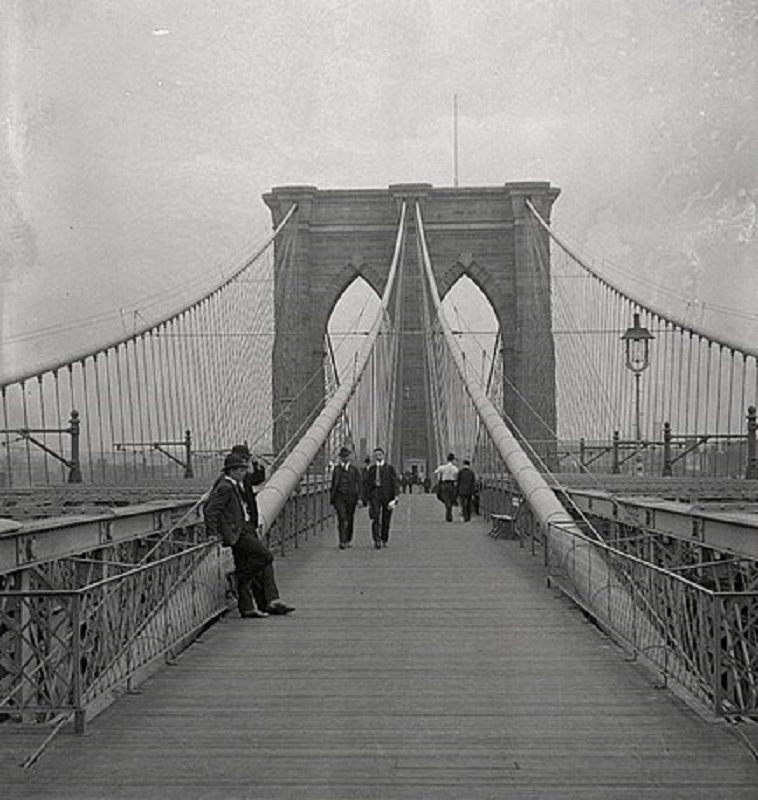
Schroeder did not have the intention to be re-elected but ran for mayor in 1875. After winning the race, he continued to control corruption. During Frederick’s leadership, Ocean Parkway was opened and the first wire of the Brooklyn Bridge was laid.
Schroeder served as a member of the NY State Senate in 1880 and 1881. While in the Senate, he was instrumental in creating a new city charter for Brooklyn. Under the new charter, the position of the mayor was bolstered and the three-headed commissions that governed city departments were replaced with one. Schroeder also initiated a law limiting the amount of debt municipalities could assume.
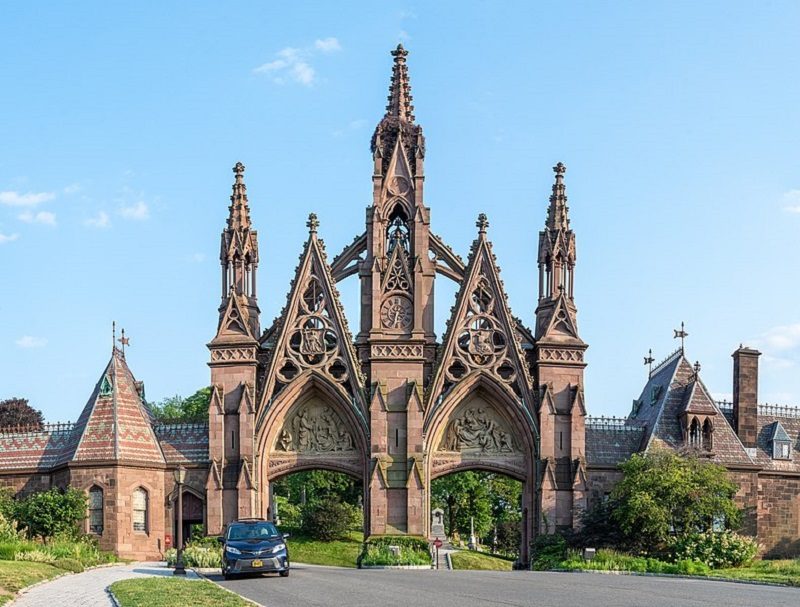
When it was time to resign, Frederick withdrew from political activity. It is unknown why the ex-mayor refused to pursue another political post. Schroeder died in 1899 in NY. His death was caused by pneumonia, which he caught at the funeral of his daughter Mary Jane. His wife, whom he married in 1854, his son and five daughters outlived him. People mourned Frederick’s passing even in his hometown of Trier.